August 18, 2026
Misconceptions about household pests often lead to ineffective management strategies, prolonged property exposure, and heightened annoyance within living environments. Understanding these common myths is crucial for adopting proper mitigation tactics, establishing protective physical barriers, and ensuring long-term peace of mind. Misunderstandings range from misinterpreting insect nesting behaviors and seasonal survival traits to grossly overestimating the effectiveness of makeshift DIY solutions. By dispelling these false assumptions, homeowners can protect their physical structures more effectively, conserve valuable financial resources, and contribute positively to regional ecological balance. Utilizing a professional local pest control service provides tailored, science-backed interventions that systematically target the root causes of infestations rather than relying on widespread fallacies.
Addressing residential pest management requires separating fiction from fact to implement truly sustainable home care habits. By reevaluating how clean living spaces interact with insect behavior, assessing the strict limits of natural remedies, and understanding the true role of household pets, individuals can cultivate safer, healthier living spaces. Partnering with experienced specialists ensures that every property receives targeted, accurate treatments aligned with modern environmental safety standards, ultimately preventing structural decline and protecting family health year-round.
Debunking Cleanliness Misconceptions
Many individuals believe that cleanliness directly correlates with pest issues, assuming that spotless homes are immune to infestations. However, structural factors like tiny foundation cracks, elevated indoor humidity levels, unsealed utility lines, and exposed wood materials attract pests regardless of how pristine an environment remains. Termites and carpenter ants continuously seek out cellulose, while cockroaches thrive wherever hidden moisture sources are accessible, such as slow-leaking pipes underneath kitchen sinks. Maintaining a pristine interior is undoubtedly beneficial for hygiene, but it does not eliminate the environmental attractants that naturally draw pests inside from neighboring properties.
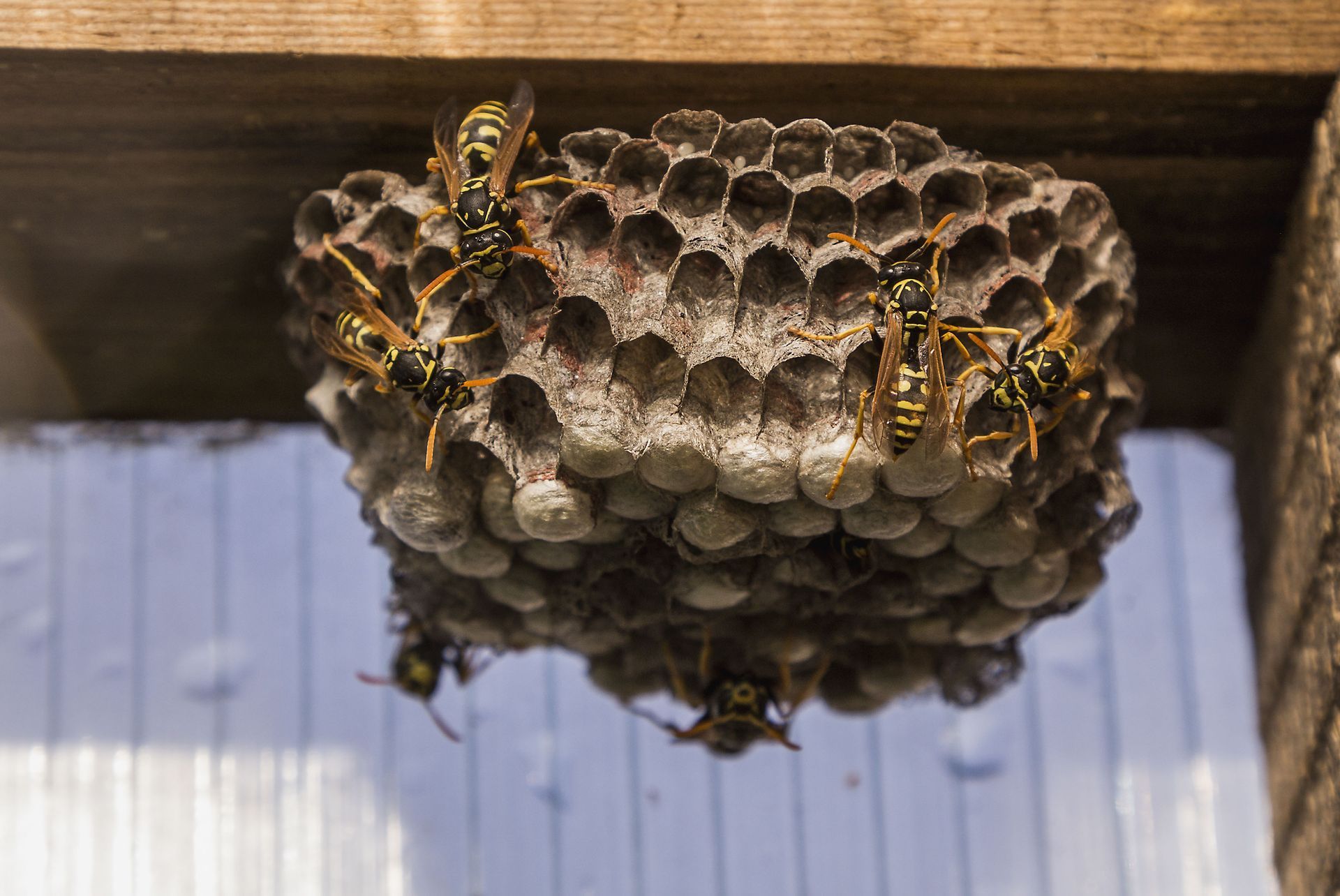
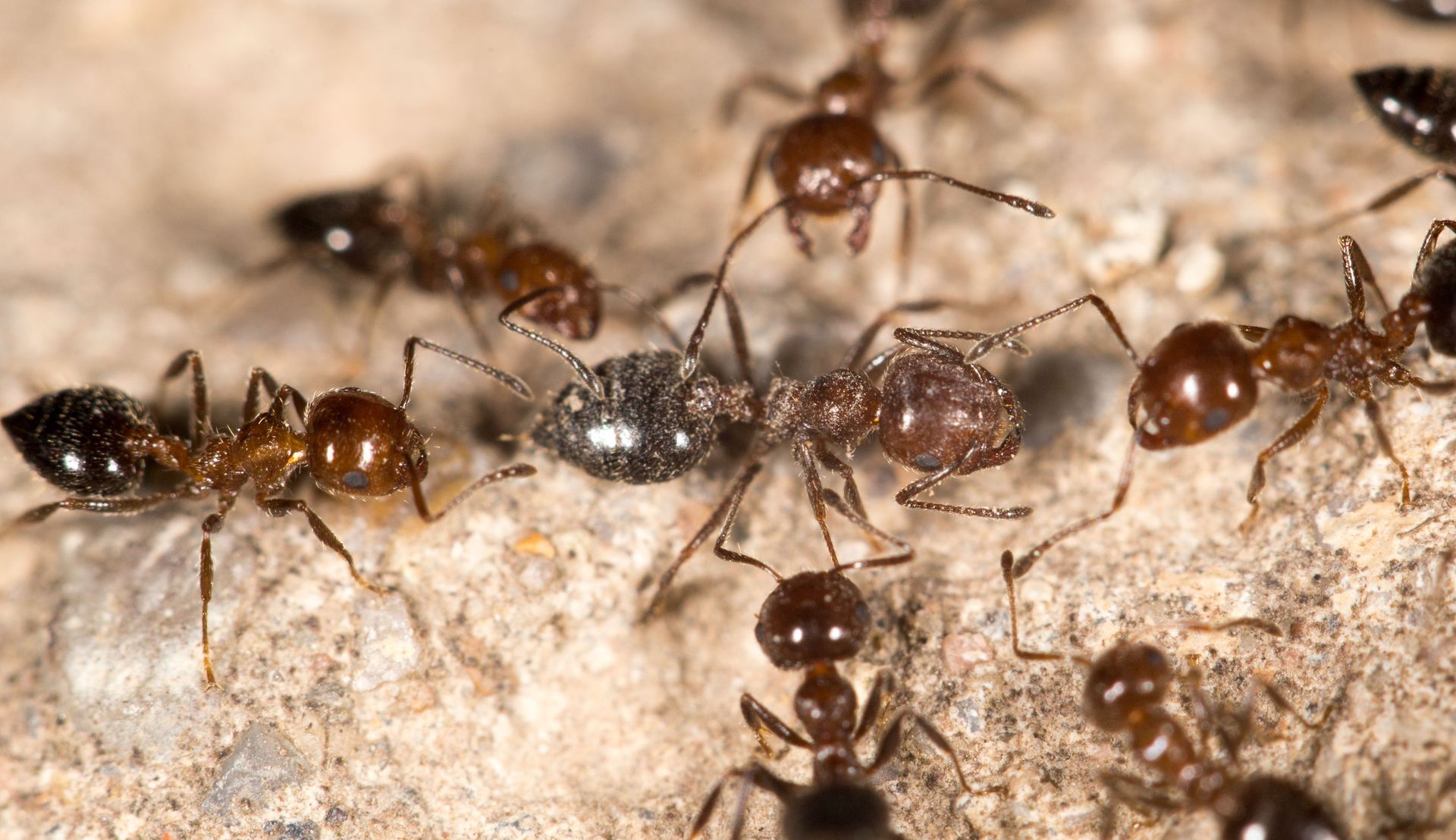
According to Pest Control Technology, within just an hour or two, carpenter ants can move their whole colony, including eggs, larvae, and cocoons, to a completely different area of a house. This rapid, highly coordinated adaptability illustrates why standard sanitation alone cannot halt an active infestation once insects establish a foothold inside structural wall voids. Furthermore, certain sweet-scented or oil-based household cleaning products can inadvertently attract insects like silverfish, ants, and paper wasps seeking sugar derivatives or lipids. Successfully managing complex infestations requires sealing physical entry points, resolving interior moisture imbalances, and relying on a dedicated local pest control service to perform thorough structural inspections across the home.
Evaluating Do-It-Yourself Limitations
Do-it-yourself pest management methods like vinegar sprays, essential oil diffusers, and broadcast diatomaceous earth are widely popular due to their low upfront costs and high accessibility. However, these surface-level remedies frequently lack broad scientific backing and completely fail to address the hidden core of the problem. While a natural botanical spray might temporarily repel surface-level worker ants foraging along a countertop, it leaves the deep subterranean nest, secondary reproductive members, and primary queen completely unharmed. Relying solely on temporary home remedies allows pest populations to multiply rapidly out of sight, leading to severe long-term structural issues and wasted financial effort.
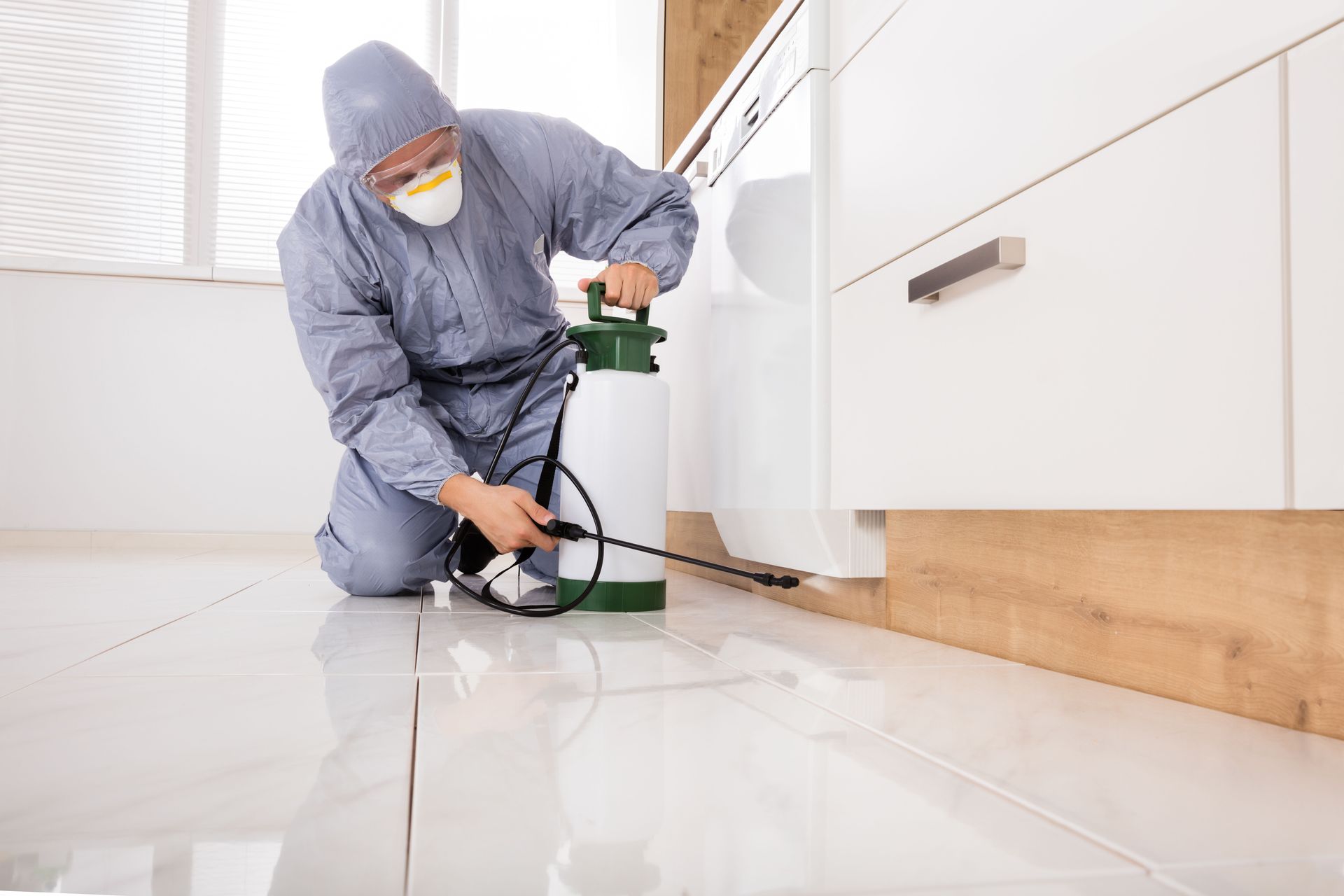
When infestations involve aggressive wood-destroying organisms, stinging insects, or hidden wall-cavity nests, immediate professional intervention becomes essential. Attempting to tackle deep-seated infestations without commercial-grade equipment or precise biological training leads to repeated material purchases and an unearned, false sense of security. Consulting an established local pest control service ensures that custom treatments safely target specific pest lifecycles without endangering household occupants or pets. A balanced home maintenance strategy combines basic physical prevention with certified professional expertise to achieve definitive, long-lasting biological control over time.
Understanding Complex Ecosystem Roles
Not every insect encountered indoors poses an immediate threat to human health, food supplies, or residential property. Spiders, predatory beetles, centipedes, and certain outdoor ant species act as vital biological control agents by preying on destructive pests and decomposing organic debris in surrounding gardens. Distinguishing between minor, harmless nuisance insects and genuine property hazards, such as disease-carrying mosquitoes, venomous spiders, or property-damaging termites, allows homeowners to make informed management decisions without defaulting to total, indiscriminate eradication techniques that disrupt neighboring natural habitats.
Overusing heavy chemical sprays to eliminate every visible bug around a home's perimeter can disrupt local micro-ecosystems and inadvertently foster chemical resistance among target pest populations. Modern management emphasizes Integrated Pest Management (IPM), a comprehensive strategy focusing on environmental controls, physical structural exclusion, habitat modification, and highly targeted chemical applications. By understanding basic pest biology and specific micro-habitat preferences, homeowners can maintain comfortable, pest-free living spaces while minimizing unnecessary environmental impacts on beneficial species residing in outdoor landscapes.
Recognizing Visible Insect Infestations
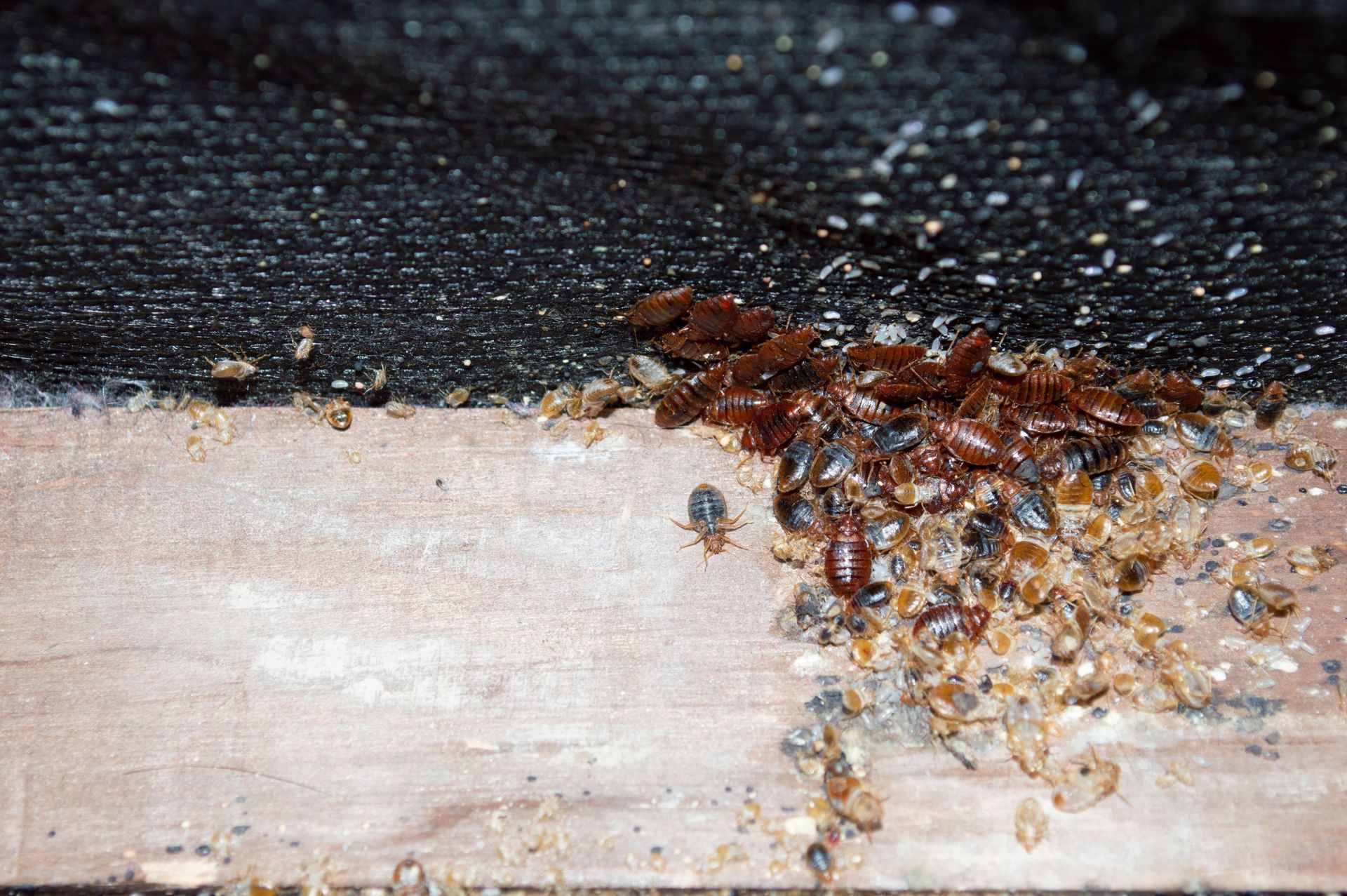
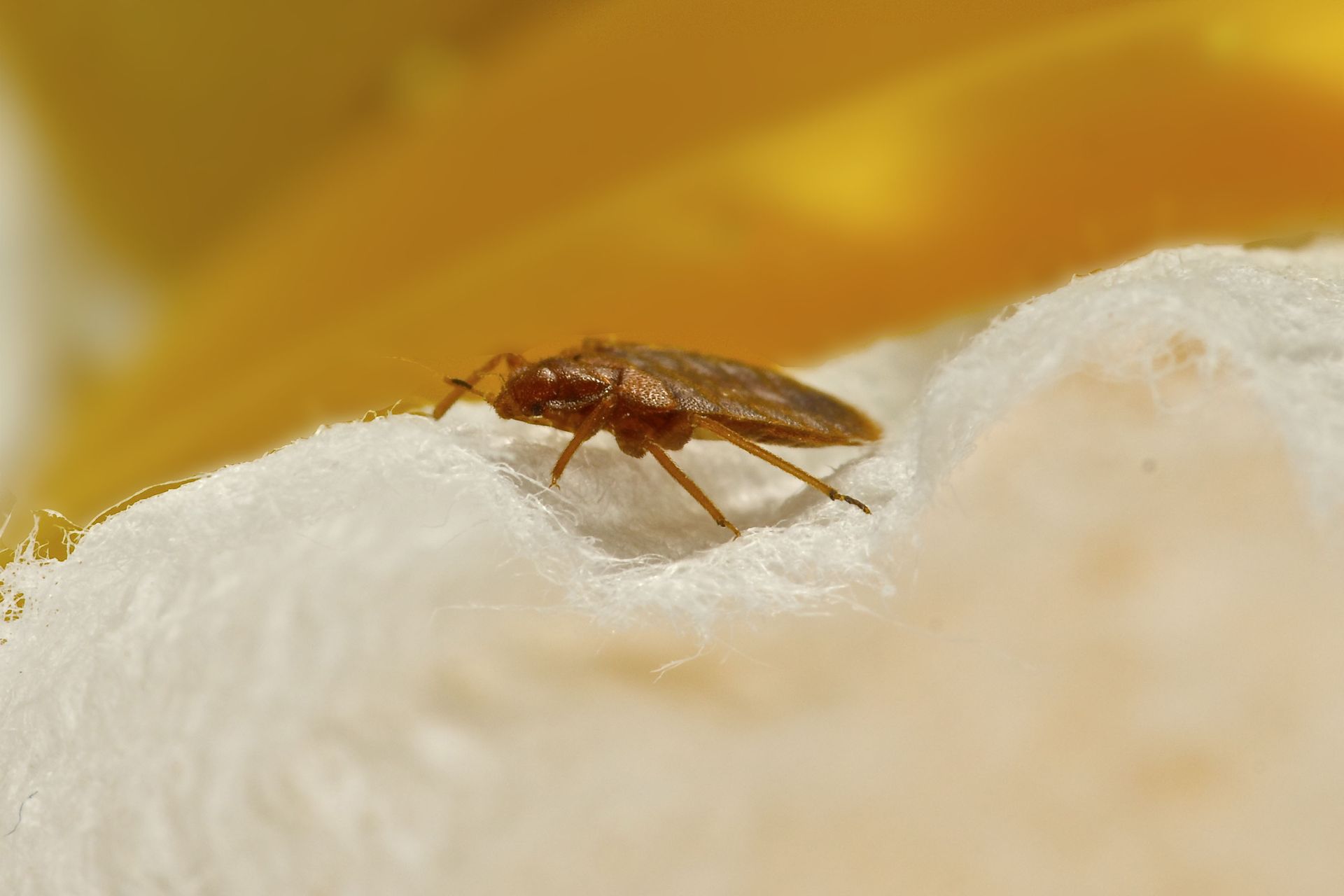
A widespread, persistent myth regarding bed bugs is that they are microscopic and completely impossible to see with the naked human eye. In reality, adult bed bugs are roughly the size of an apple seed, featuring flat, broad, reddish-brown bodies that are clearly visible upon close physical inspection. While their strict nocturnal habits and paper-thin bodies allow them to hide deep within mattress seams, bed frames, electrical outlets, and baseboards, diligent monitoring can easily uncover them during the early stages of an invasion before severe spreading occurs.
Key physical indicators of an active infestation include small reddish-brown fecal spots on linens, discarded shed exoskeletons, translucent egg casings, and distinct linear bite patterns on exposed skin. Utilizing specialized mattress encasements, drastically reducing bedroom clutter, and carefully inspecting luggage after traveling are vital preventative habits for frequent travelers. When concrete evidence of bed bugs appears, contacting a licensed local pest control service ensures rapid, specialized thermal treatments or targeted eco-friendly chemical applications that reliably destroy all life stages from eggs to mature adults.
Assessing Domestic Animal Capabilities
While domestic cats and dogs possess strong hunting instincts and may occasionally stalk or catch visible crawling insects and small rodents, they are not a reliable strategy for comprehensive household pest management. Household pets typically react only to visible surface movement and lack the ability to access hidden nests tucked deep inside insulated walls, attics, crawlspaces, or subfloors. Furthermore, relying on domestic animals for pest management actively exposes them to harmful vector-borne pathogens, including fleas, ticks, tapeworms, and dangerous bacterial infections carried by wild rodents roaming indoors.
In addition to exposure to infectious pathogens, allowing pets to freely chase pests across living spaces can lead to accidental ingestion of toxic substances, sharp insect exoskeletons, or dangerous pest-control chemicals previously applied throughout the residence. Pets may also injure themselves or damage interior household furnishings while aggressively pursuing nimble pests into tight structural gaps, ultimately causing unnecessary home repairs alongside costly veterinary bills for preventable injuries.
Although specialized working dogs can be professionally trained to detect specific pest scents like bed bugs or live termites, everyday domestic pets should serve merely as passive behavioral indicators rather than primary exterminators. If a household pet repeatedly sniffs, scratches, or fixates on a specific section of drywall or baseboard, it may signal a hidden pest hotspot worth investigating further with modern diagnostic tools. Combining everyday pet safety protocols with routine preventative treatments from a reputable local pest control service ensures complete, reliable protection across the entire property envelope throughout every season.
Maintaining a safe, healthy, and structurally sound home requires moving past common historical myths and adopting evidence-based management strategies. By pairing proactive preventative maintenance with expert professional guidance, property owners can effectively protect their financial investments from structural damage, food contamination, and health risks year-round. For more information about the services that we offer, reach out to our incredible team at Crawford's Pest Control today!