April 21, 2026
Choosing a local pest control company requires careful consideration to ensure your home is protected efficiently and safely. This article outlines essential factors to help in making an informed decision. With countless options available, it can be challenging to determine which companies provide reputable and effective services. By understanding specific aspects of your pest problem and conducting thorough research on potential providers, homeowners can safeguard their property while gaining peace of mind. Taking the time to compare qualifications, service methods, and communication standards can also prevent costly mistakes later. A thoughtful approach now can lead to more effective treatment and better long-term pest prevention.
Understanding Your Pest Problem
Before selecting a local pest control company, it is important to understand the nature of the issue inside or around your home. The more clearly you can describe the problem, the easier it will be for professionals to recommend an effective treatment plan. A company that receives accurate information from the start can often respond more efficiently and with greater precision. This preparation also helps homeowners feel more confident during the consultation process.
Identifying the Type of Pests
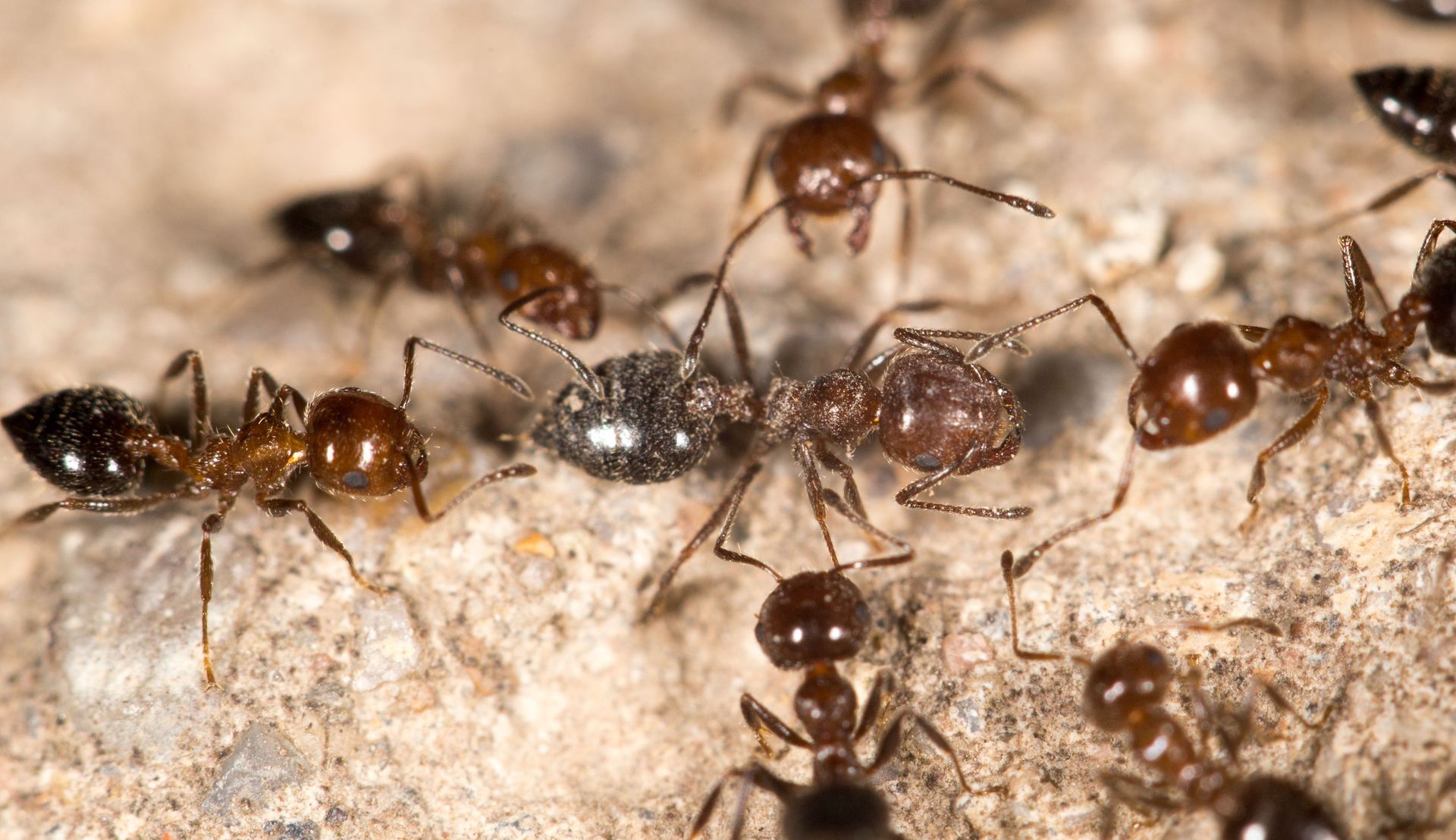
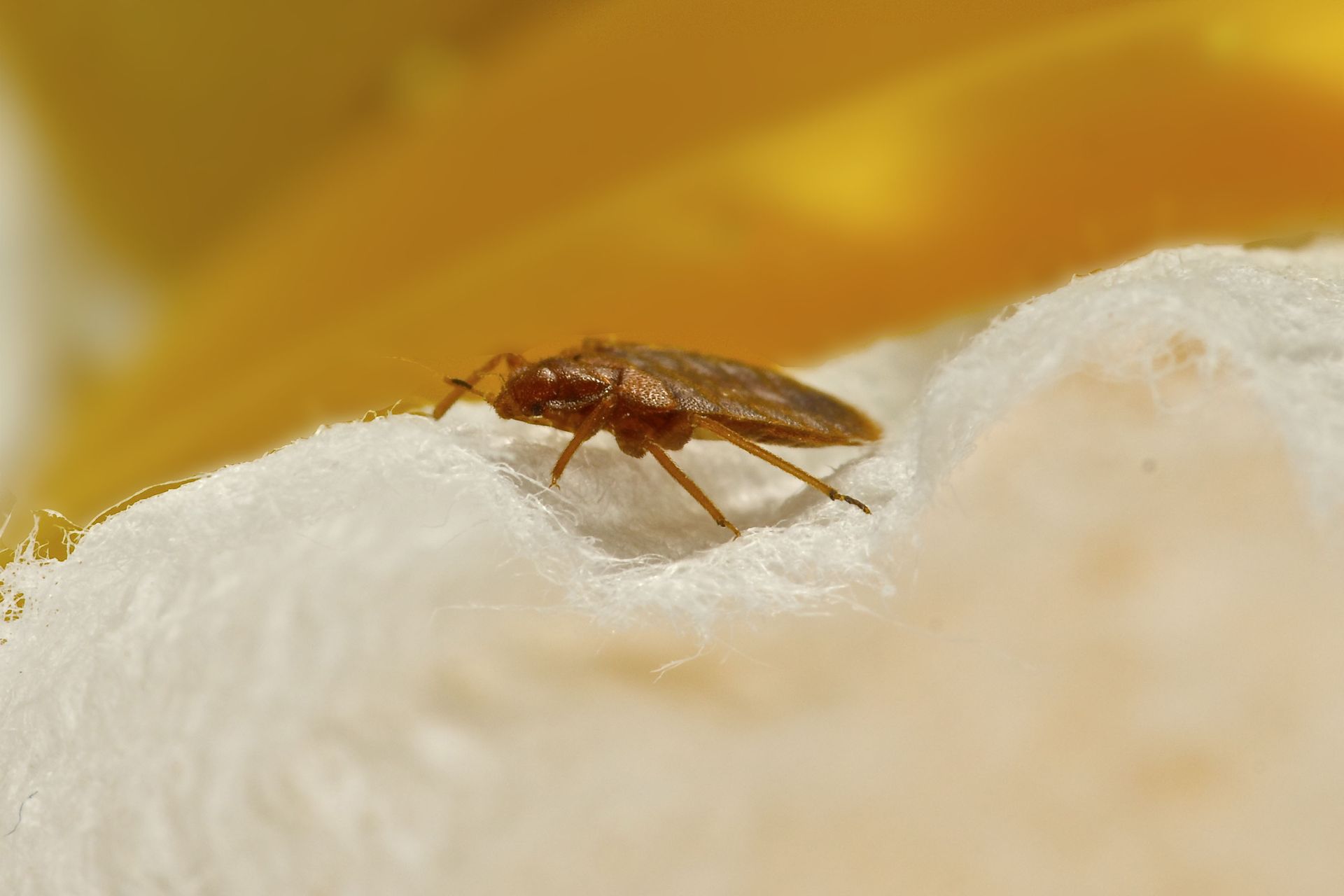
Before hiring a pest control provider, it is crucial to identify the type of pests you are dealing with. Common household pests include ants, roaches, termites, rodents, mosquitoes, and spiders. Knowing the pest involved helps narrow down the appropriate treatment options because different infestations require different strategies. Termite control, for example, is very different from removing rodents from an attic or eliminating ants from a kitchen. Accurate identification can save time, reduce unnecessary treatments, and improve the likelihood of lasting results.
Determining the Extent of the Infestation
Understanding the severity of a pest problem is another major step in choosing the right service. A minor issue may be handled with targeted treatments and preventative measures, while a widespread infestation may require a more aggressive approach and repeated visits. By assessing the extent of the problem, homeowners can better communicate their concerns and ask informed questions during consultations. Looking for signs such as droppings, structural damage, nesting materials, or repeated sightings can provide useful clues. Early assessment can also help prevent pests from spreading further throughout the property.
Assessing Seasonal Pest Trends
Pest activity often changes with the seasons, which makes timing an important part of pest management. Ants and mosquitoes may become more active during warmer months, while rodents often look for shelter when temperatures drop. Understanding these trends can help homeowners plan inspections and treatments before the problem worsens. Seasonal awareness is also useful when evaluating whether a company offers ongoing preventative service rather than only one-time visits. A provider that understands local pest cycles may be better equipped to recommend proactive solutions.
Considering Health and Safety Concerns
The impact of pests on household health and safety should never be overlooked. Certain pests can spread disease, trigger allergies, contaminate food, or cause structural damage that creates additional risks. For instance, rats are known to spread over 35 diseases, according to the CDC. That is why many homeowners look for a local pest control company that can balance strong results with safe treatment methods. If you have children, pets, or people with sensitivities in the home, it is especially important to ask detailed questions about product use, application methods, and reentry times.
Setting Clear Pest Management Goals
Setting clear goals helps guide the entire selection process. Some homeowners want immediate elimination of a specific pest, while others want a broader prevention strategy that reduces future infestations. Defining what success looks like for your home makes it easier to compare companies and treatment plans. It also creates a better foundation for communication between you and the technicians. When expectations are established early, both the homeowner and service provider are more likely to work toward the same outcome.
Researching Pest Control Providers
Once you understand your pest issue, the next step is to research available companies thoroughly. A good local pest control company should have a strong reputation, clear service information, and a record of helping customers with problems similar to yours. Looking beyond advertisements is important because the quality of service often depends on training, ethics, and consistency. A little extra research at this stage can reveal whether a provider is dependable or simply good at marketing.
Checking Online Reviews and Ratings
Online reviews can provide useful insight into how a company treats its customers and handles pest issues. Platforms such as Google Reviews, Yelp, and other local directories often reveal patterns in punctuality, professionalism, and treatment effectiveness. Instead of focusing only on the star rating, read a variety of comments to understand the full picture. A few negative reviews are not unusual, but repeated complaints about missed appointments or poor communication may signal problems. Balanced feedback often offers the most realistic view of a company’s performance.
Evaluating Company Websites and Information
A company’s website can reveal a lot about its professionalism and transparency. Look for clear descriptions of services, treatment methods, company history, and contact information. Educational content, such as pest guides or blog articles, may also show that the provider is knowledgeable and invested in customer awareness. A well-maintained website often reflects attention to detail, which can carry over into service quality. It is also helpful to see whether the company explains its inspection process and what customers can expect during treatment.
Seeking Recommendations From People You Trust
Recommendations from friends, family, and neighbors remain one of the most dependable ways to find a reputable provider. Personal experiences can offer insight that online reviews may not fully capture, such as how technicians behaved in the home or how well the company handled follow-up questions. These referrals can also help homeowners find smaller businesses that may not rank highly online but still provide excellent service. Hearing both the positives and any limitations from someone you trust can make your decision more informed. Local recommendations are especially valuable when pests are common in a particular neighborhood or region.
Reviewing Reputation, History, and Accreditations
A company’s operating history can reflect its reliability and experience. Businesses that have served the community for years may have developed stronger expertise in local pest patterns and treatment challenges. It is also wise to check for complaints through consumer protection groups or local business bureaus. In addition, memberships in organizations such as the National Pest Management Association can show a commitment to professional standards. These indicators can help confirm whether a local pest control company takes its responsibilities seriously.
Evaluating Pest Control Methods
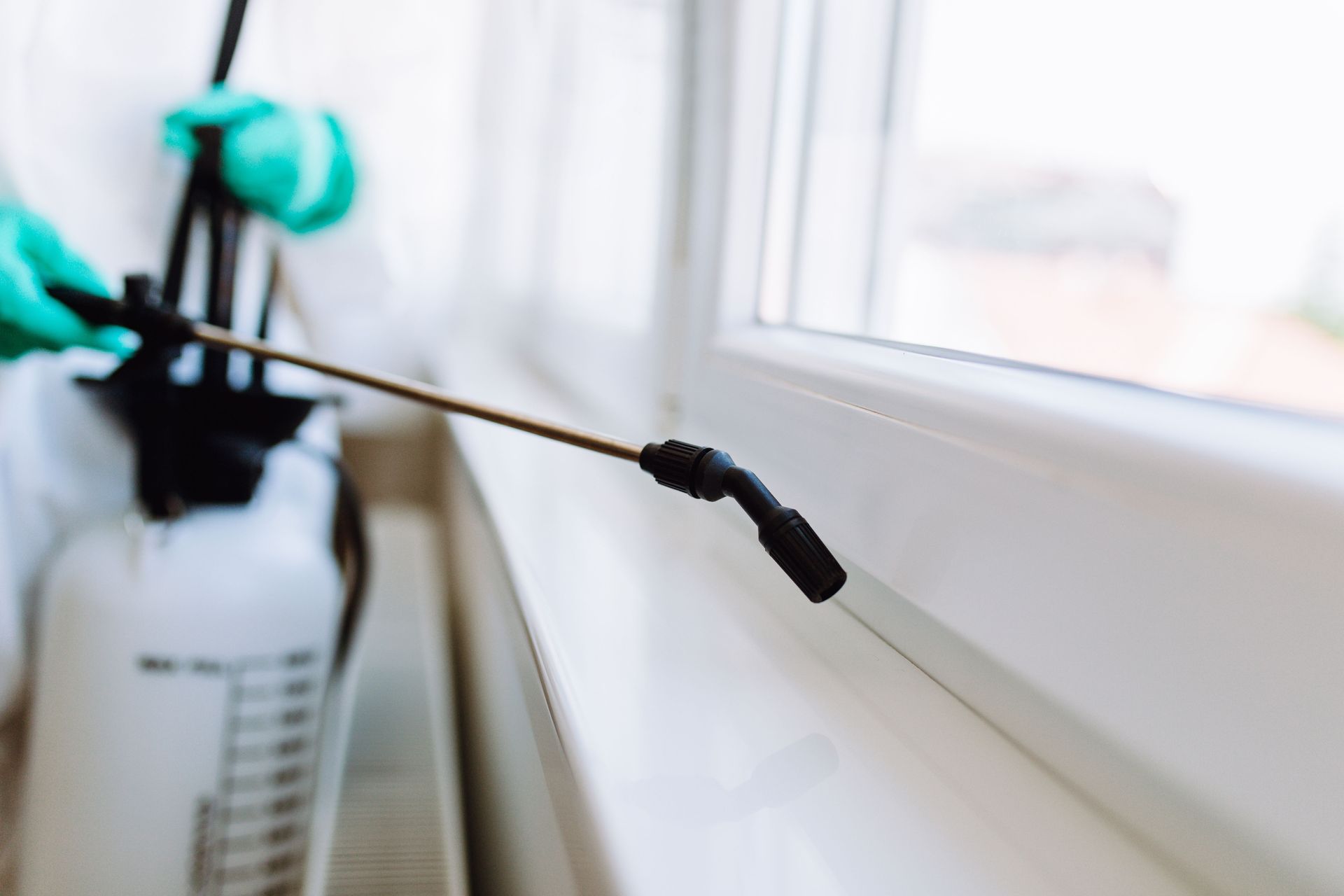
Treatment methods matter just as much as reputation. Homeowners should understand whether a provider relies primarily on chemical applications, non-chemical solutions, or a combination of approaches. Asking about treatment philosophy helps you determine whether the company’s methods align with your safety preferences and long-term goals. The best providers usually explain why a certain method is recommended instead of offering one generic solution for every pest problem.
Understanding Chemical and Non-Chemical Treatments
Chemical treatments can be effective for serious infestations, but they may also raise concerns about indoor air quality, pets, or sensitive individuals. Non-chemical options can include traps, sealing entry points, habitat modification, and baiting systems. Each approach has strengths depending on the type of pest and the environment in which it appears. Homeowners should ask what options are available and whether treatments can be adjusted to suit household needs. A company that explains both the benefits and limitations of each method often demonstrates greater professionalism.
Choosing the right local pest control company involves more than comparing prices or selecting the first name you find online. It requires understanding your pest problem, reviewing treatment methods, checking qualifications, and evaluating customer support. By taking a careful and informed approach, homeowners can select a provider that offers effective service while respecting health, safety, and budget concerns. A well-chosen partner can do more than solve an immediate issue. Contact Crawford's Pest Control today and learn more about our pest control services.