May 27, 2026
Warm weather brings out the best in nature, but it also brings challenges to our doorsteps. As flowers bloom, stinging insects begin establishing their homes near ours. Bees and wasps are vital, pollinating our gardens and keeping other insect populations in check. However, when they decide to build a nest on your porch or inside your walls, the situation shifts from a minor annoyance to a safety hazard. Calling local pest control is often the safest choice, saving you time and preventing painful accidents around your home.
Not all insect activity means you have a full-blown infestation. A few bees hovering around your flowerbeds are completely normal and beneficial. Wasps passing through your yard in search of food do not necessarily require immediate intervention. The problem arises when these insects claim a high-traffic area of your property as their own. A simple walk to your mailbox or a weekend barbecue can turn dangerous if a hidden nest is nearby. Understanding the difference between casual visitors and entrenched residents is the first step in deciding your next move.
Identifying the Type of Stinging Insect
Before taking action, you need to figure out what kind of insect you are dealing with. Honeybees and bumblebees are generally docile unless provoked, focusing heavily on gathering nectar and pollen. Wasps, hornets, and yellow jackets are far more aggressive. A yellow jacket can sting multiple times without losing its stinger, making it incredibly dangerous if you accidentally disturb its home.
Knowing the species dictates how the swarm should be handled. Honeybees are crucial for our food supply, and many regions have specific guidelines for relocating them safely. Exterminating honeybees is highly discouraged. Beekeepers can sometimes remove the swarm and give them a new home. Wasps and hornets require a completely different approach. Their nests are usually treated and removed to prevent future colonies.
If you can't safely identify the insects flying around your eaves, don't try to get closer. Stinging insects often look similar to the untrained eye. An expert can quickly determine the species from a safe distance. Relying on local pest control ensures you get an accurate identification. Professionals apply the right techniques to resolve the problem without causing unnecessary harm to beneficial insects.
Spotting the Signs of an Infestation
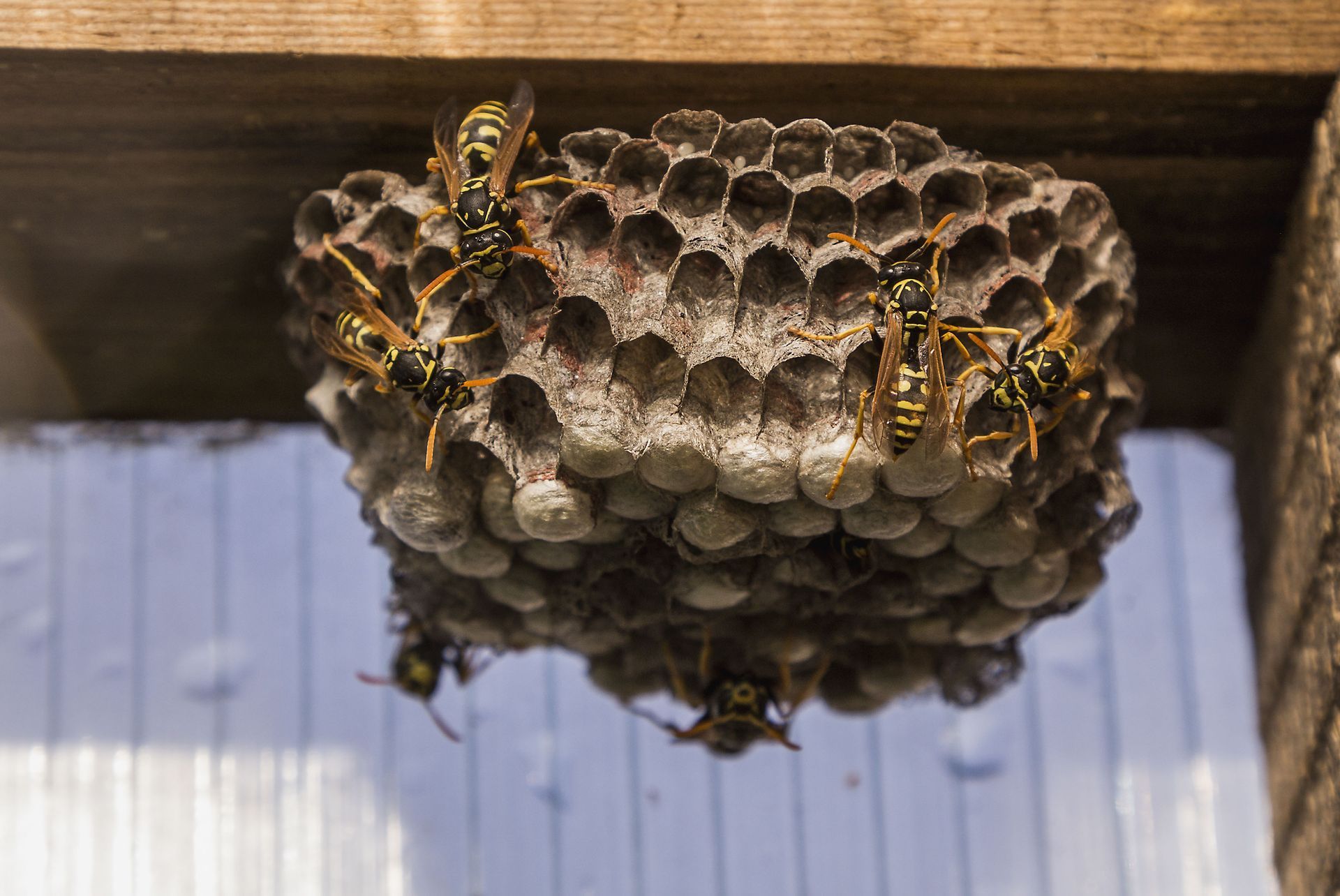
Sometimes the signs of a bee or wasp problem are obvious. You might see a large paper nest hanging from a tree branch or tucked under the eaves of your roof. Other times, the indicators are much more subtle. Yellow jackets often build their nests underground using abandoned rodent burrows. You might only notice them if you see a steady stream of insects flying.
Paying attention to flight paths is an easy way to locate a hidden nest. If you watch the insects for a few minutes, you will likely see them traveling in a distinct line toward a single location. If this location is inside an exterior wall, you have a complicated situation. According to IBISWorld, the total revenue of the U.S. pest control industry exceeds $26.1 billion. This massive figure highlights just how common these infestations can be for ordinary homeowners.
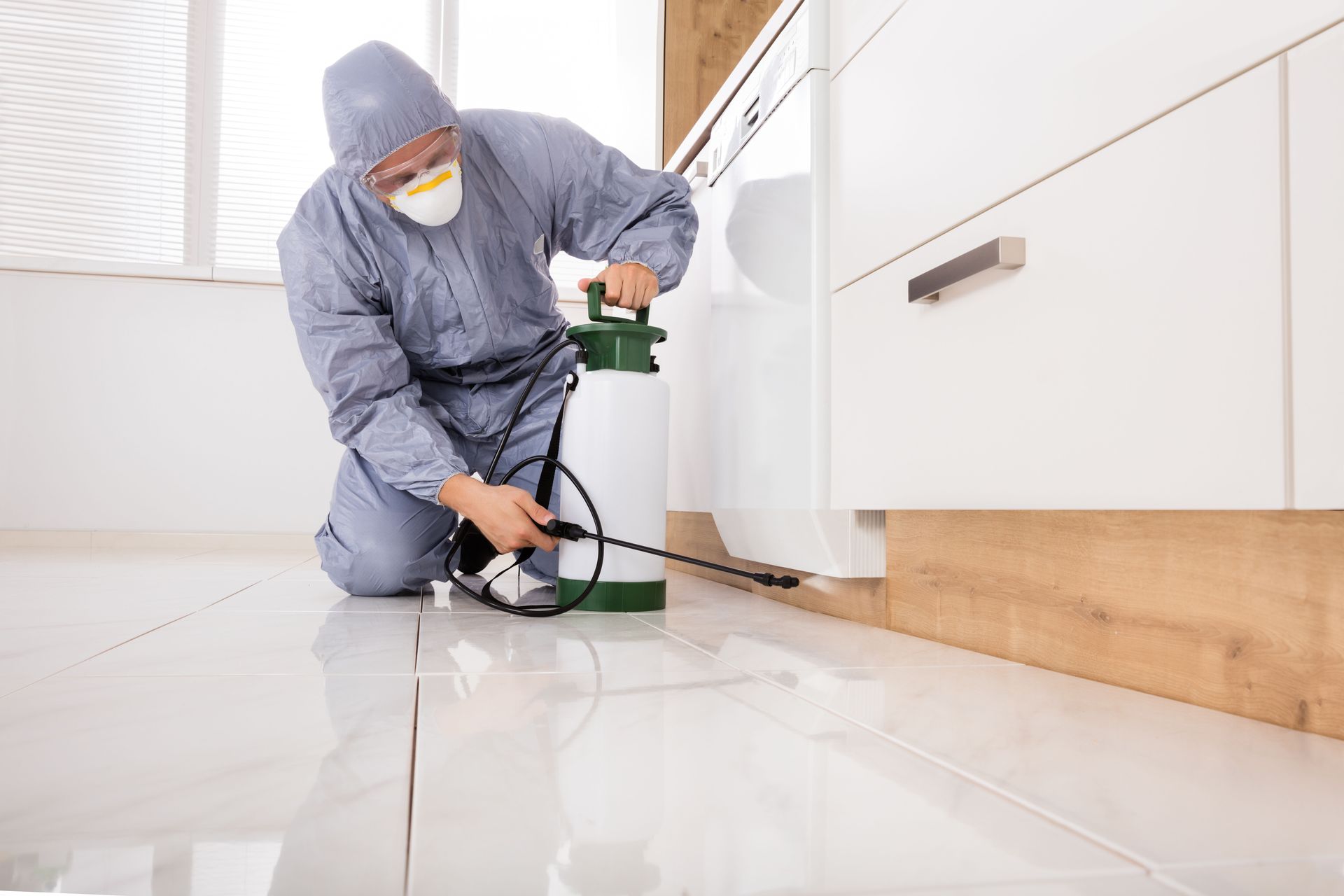
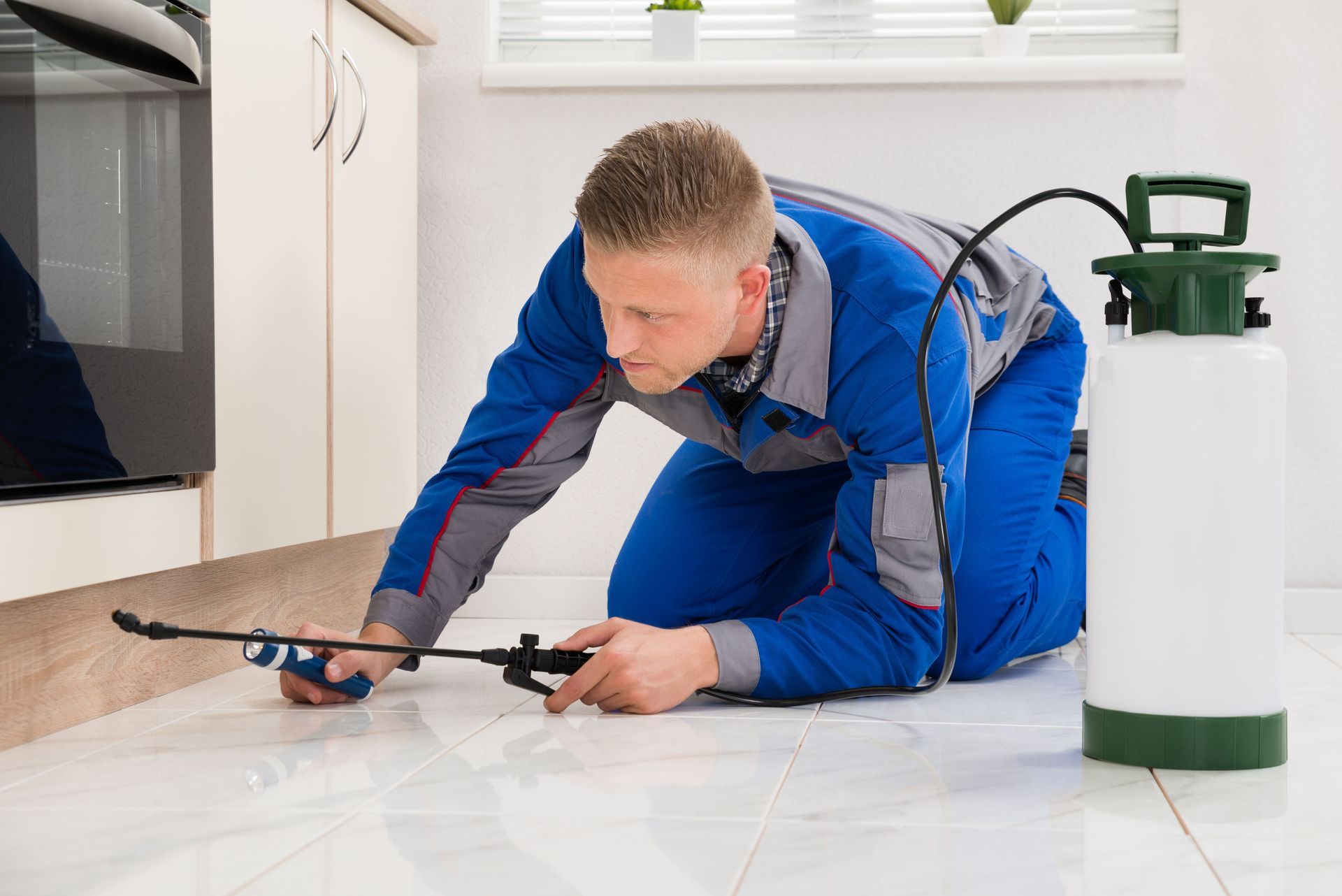
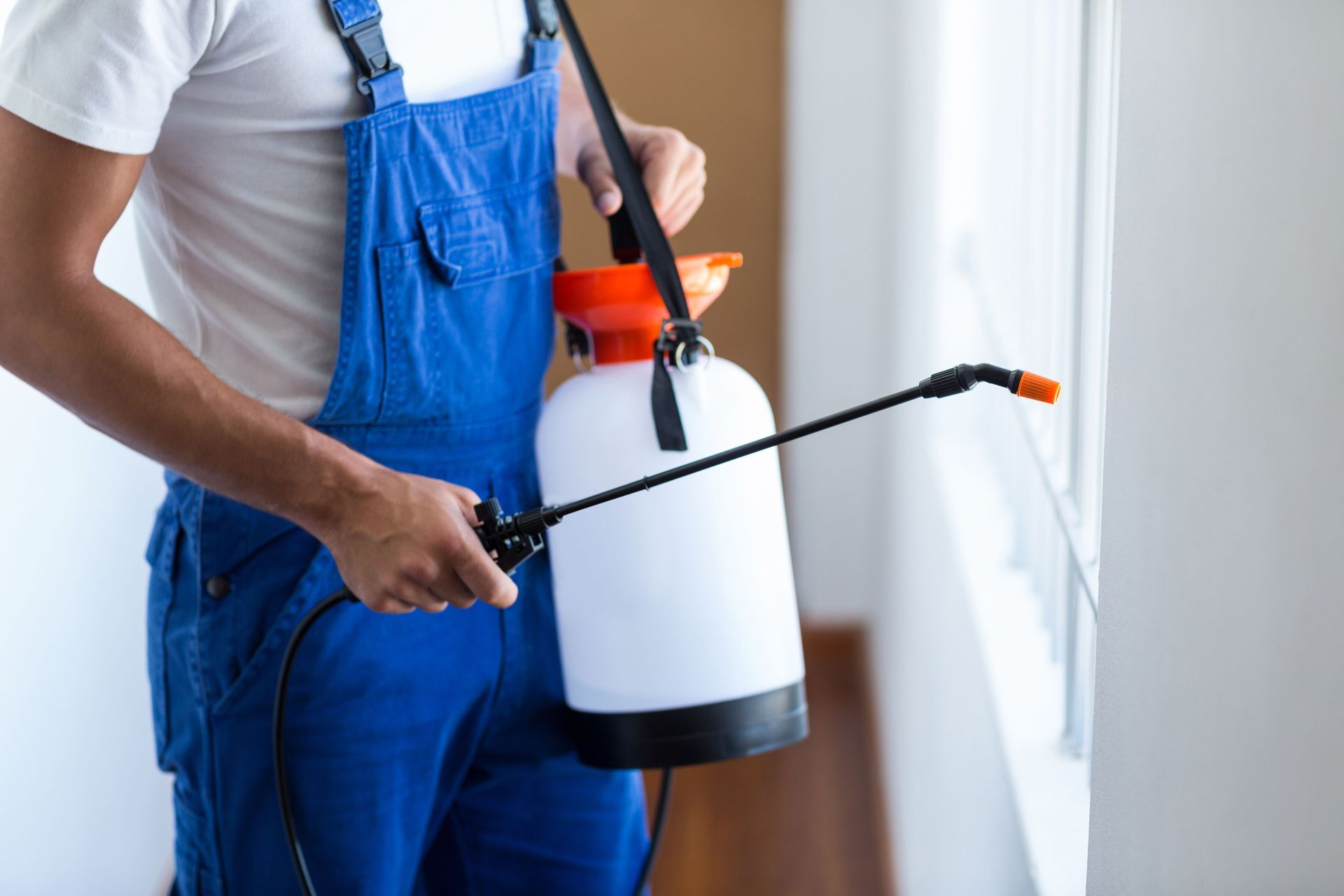
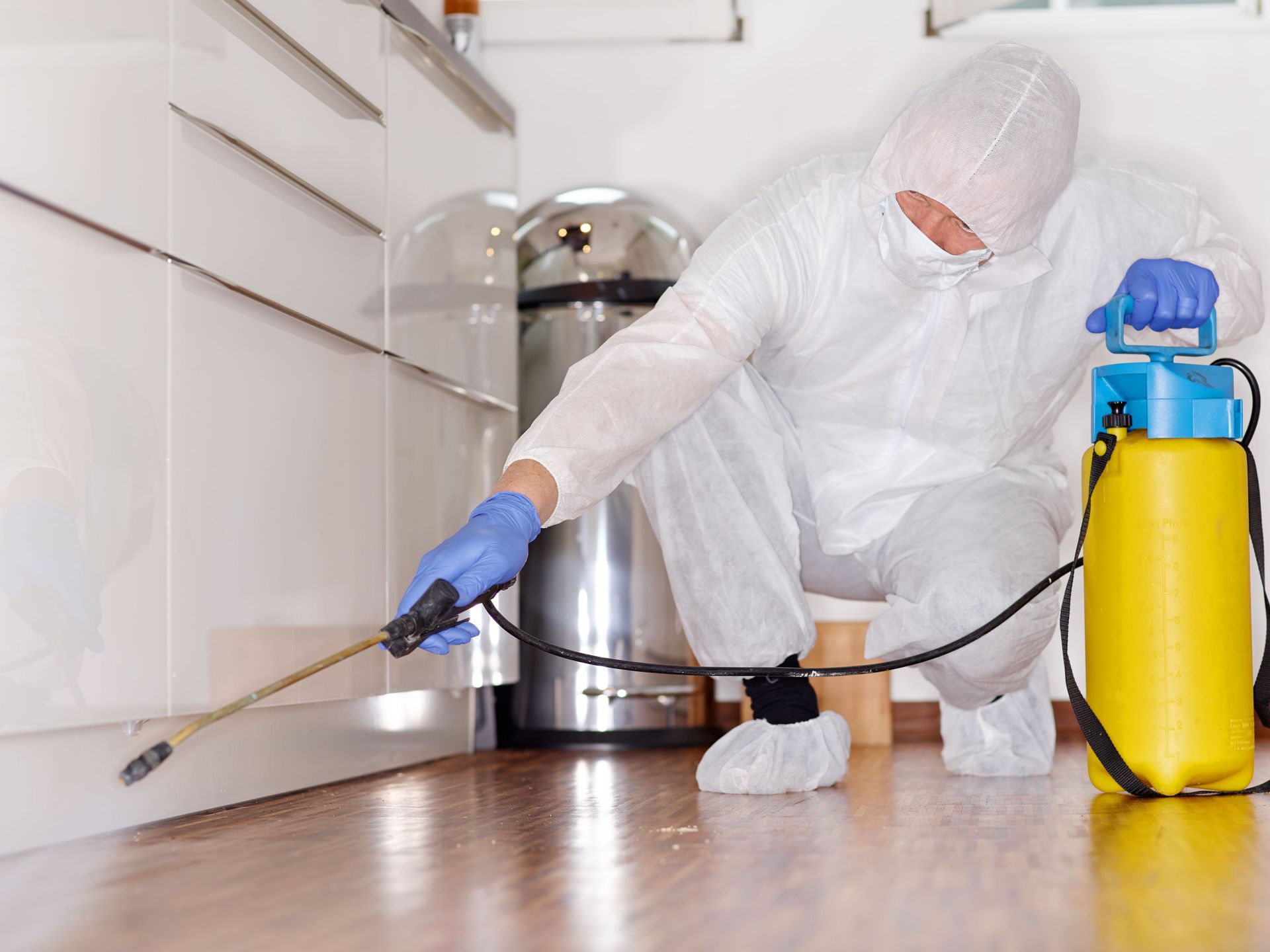
Attempting to block a nest entrance is a terrible mistake. If you plug a hole in your siding where wasps are entering, they won't simply die. They will chew their way through the drywall and end up directly inside your living room, turning an exterior problem into an interior emergency. Instead, rely on experts. When you contact a local pest control technician, they arrive with protective suits and specialized gear to reach tight crawlspaces and neutralize the nest entirely.
Assessing the Risks to Your Family and Pets
Safety is the most critical factor when deciding how to handle a wasp or bee issue. For most people, a sting is painful but relatively harmless, resulting in temporary swelling. However, for individuals with severe allergies, a single sting can trigger a life-threatening allergic reaction. If anyone in your household has a known allergy, you can't afford to take risks with DIY removal methods. A swarm can deliver dozens of stings in seconds.
Pets are also vulnerable to stinging insects. Dogs and cats are naturally curious and might try to investigate a low-hanging nest or a hole in the ground. They don't understand the danger until it is too late. Multiple stings on a pet require immediate veterinary care and can be fatal. Keeping your yard safe for your furry friends means addressing ground nests where wasps hide.
Store-bought chemical sprays give a false sense of security. Many people buy a can of wasp killer, wait until dark, and spray the nest. While this might kill a few workers on the surface, it rarely penetrates deep enough to destroy the queen or the entire colony inside. The surviving insects will be highly agitated the next morning. It's far better to have an experienced local pest control company handle the situation. They have the right tools to eliminate the colony safely and completely.
Taking Action Before the Problem Escalates
Timing plays a massive role in managing stinging insects. A nest that is the size of a golf ball in early spring can grow to the size of a basketball by late summer. The colony population expands rapidly as the weather warms up. A small paper wasp nest might start with just a queen and a few workers, but by August, a yellow jacket colony can contain thousands of aggressive individuals. Waiting is a bad idea.
The longer you wait, the more difficult the removal process becomes. Early intervention prevents property damage and minimizes danger. As the colony grows, the insects become more territorial and prone to attacking anyone who walks nearby. It makes sense to schedule an inspection at the first sign of trouble. A reputable local pest control service responds quickly because they understand how fast these situations deteriorate.
Prevention is just as important as removal. Once the current nest is gone, you want to make sure another queen doesn't move in next year. Professionals can point out structural issues that invite insects, such as unsealed vents, rotted wood, or open garbage cans. They apply residual treatments that deter future nesting attempts. Taking proactive steps ensures you can enjoy your backyard safely.
Dealing with stinging insects is a common part of homeownership, but it isn't something you have to tackle alone. Whether you have beneficial honeybees that need safe relocation or aggressive yellow jackets posing an immediate threat, professional intervention is the smartest route. Expert technicians bring the knowledge, protective gear, and proven methods needed to resolve the issue safely. You protect your family by choosing to work with an experienced local pest control provider.
Summer should be a time for relaxing on the patio and enjoying the outdoors, not a time for dodging aggressive insects. By staying vigilant and acting quickly, you can keep your property safe and comfortable. Keep an eye on the high corners of your porch, watch for activity in your lawn, and don't hesitate to call in the experts when a nest gets too close for comfort. Swift action gives you peace of mind.
If you're ready to reclaim your yard from stinging insects, reach out to Crawford's Pest Control today. Our expert team provides the reliable local pest control you need to keep your family safe and comfortable all season.