January 29, 2026
When faced with a pest infestation, seeking professional assistance is often the best course of action. Pests can cause significant damage to property and pose health risks to inhabitants. This article aims to provide comprehensive guidance on what to anticipate when hiring a pest control service. Understanding the process, from the types of services offered to post-treatment evaluations, ensures that you make informed decisions. With the right knowledge, you can effectively manage pest issues, maintaining a safe and healthy living or working environment.
Understanding Pest Control Services
Pest control services vary widely, depending on the type and extent of the infestation. They may include extermination, prevention, and ongoing maintenance. Extermination is often a one-time or short-term service aimed at eradicating current pest issues. Prevention involves setting up barriers and treatments to stop pests from entering again. Maintenance requires regular inspections and treatments to keep pests at bay, tailored to your specific needs.
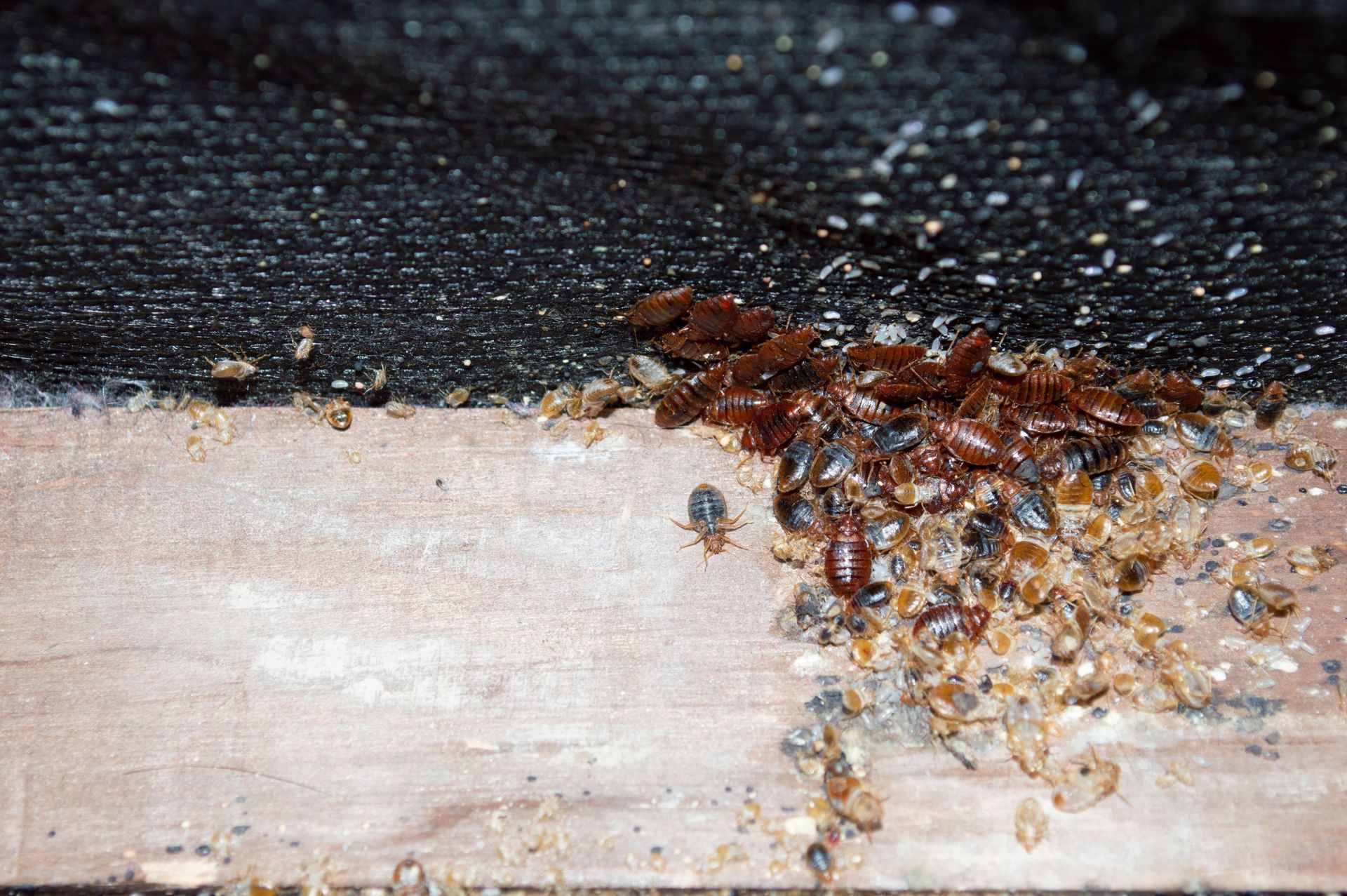
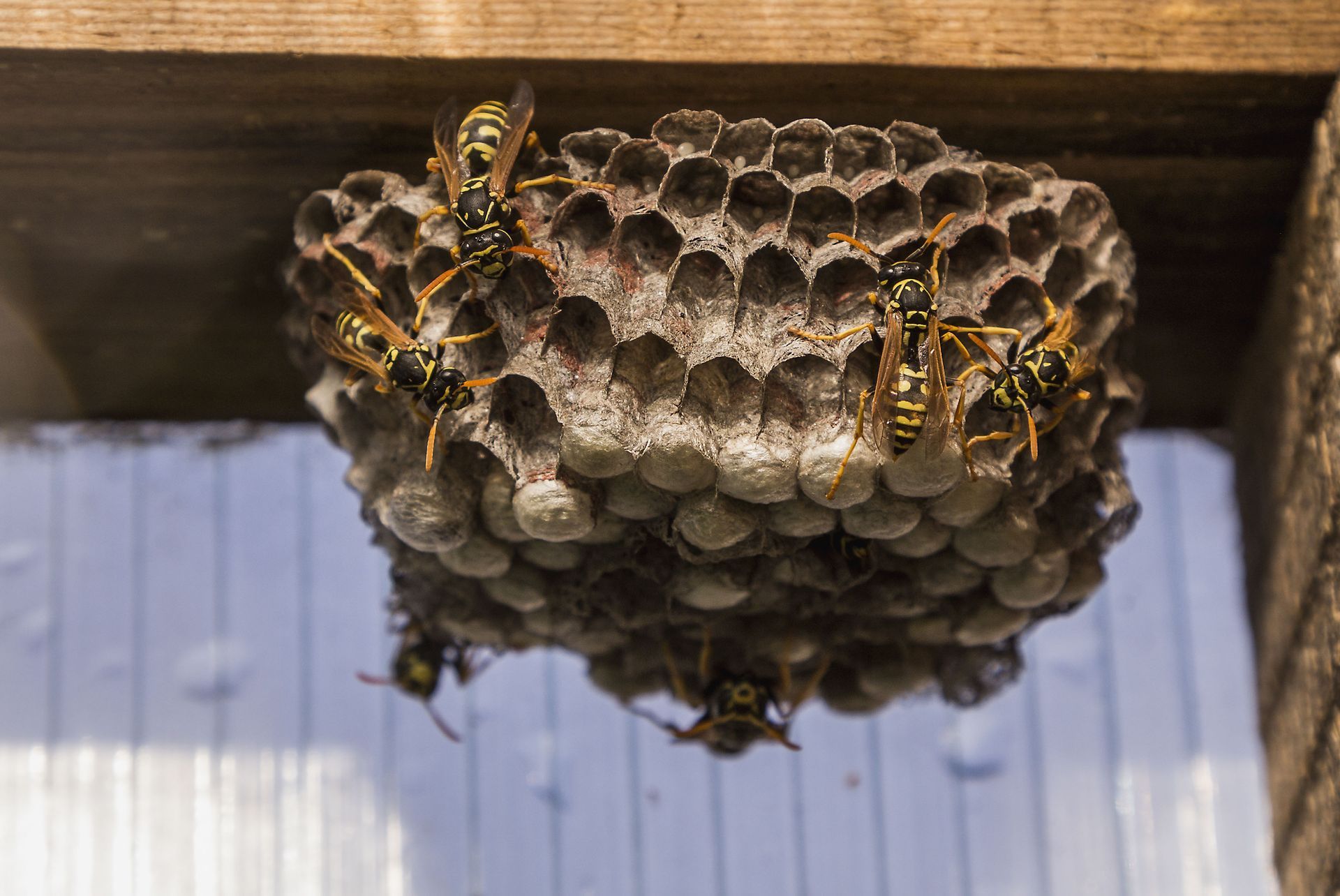
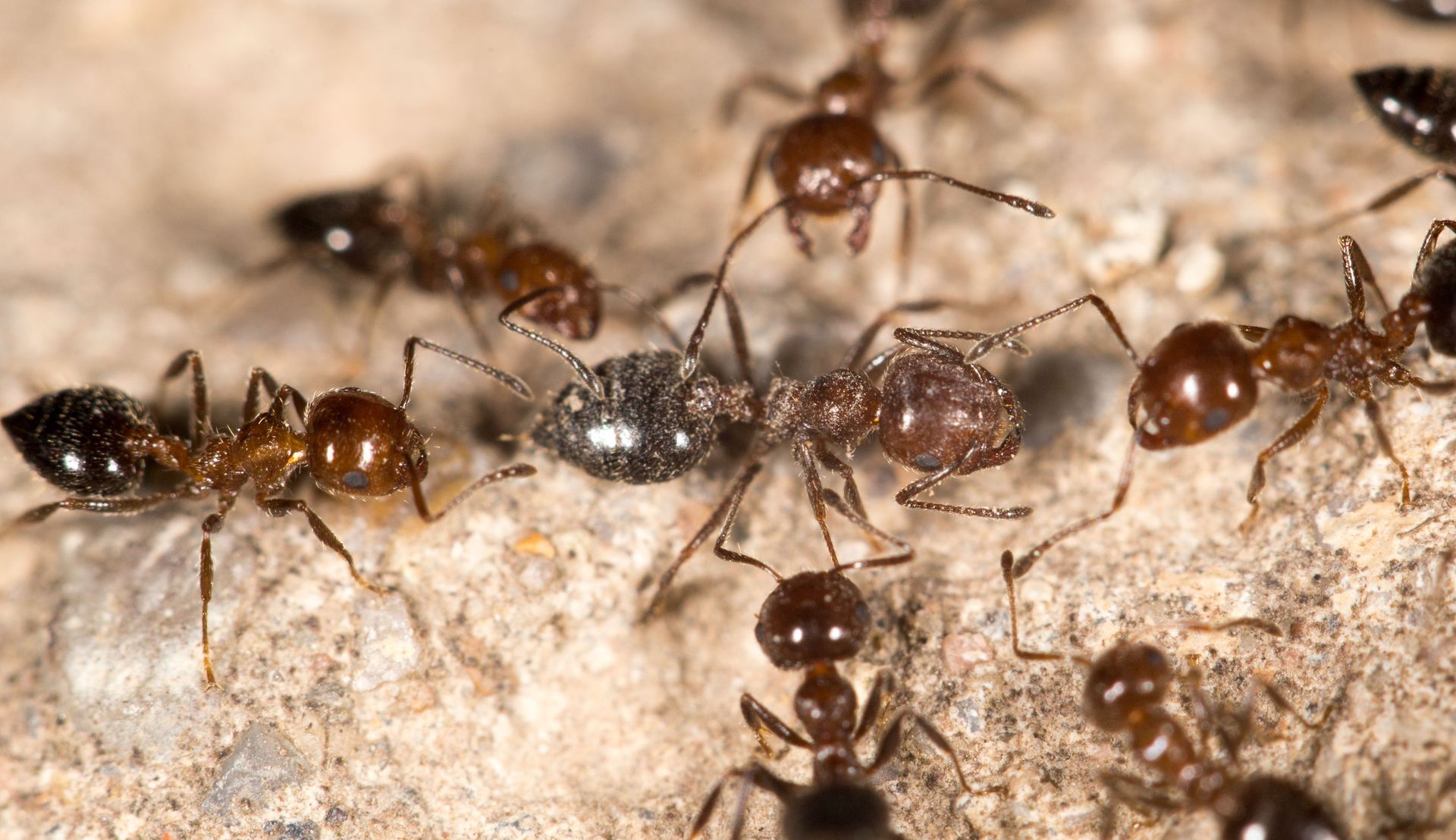
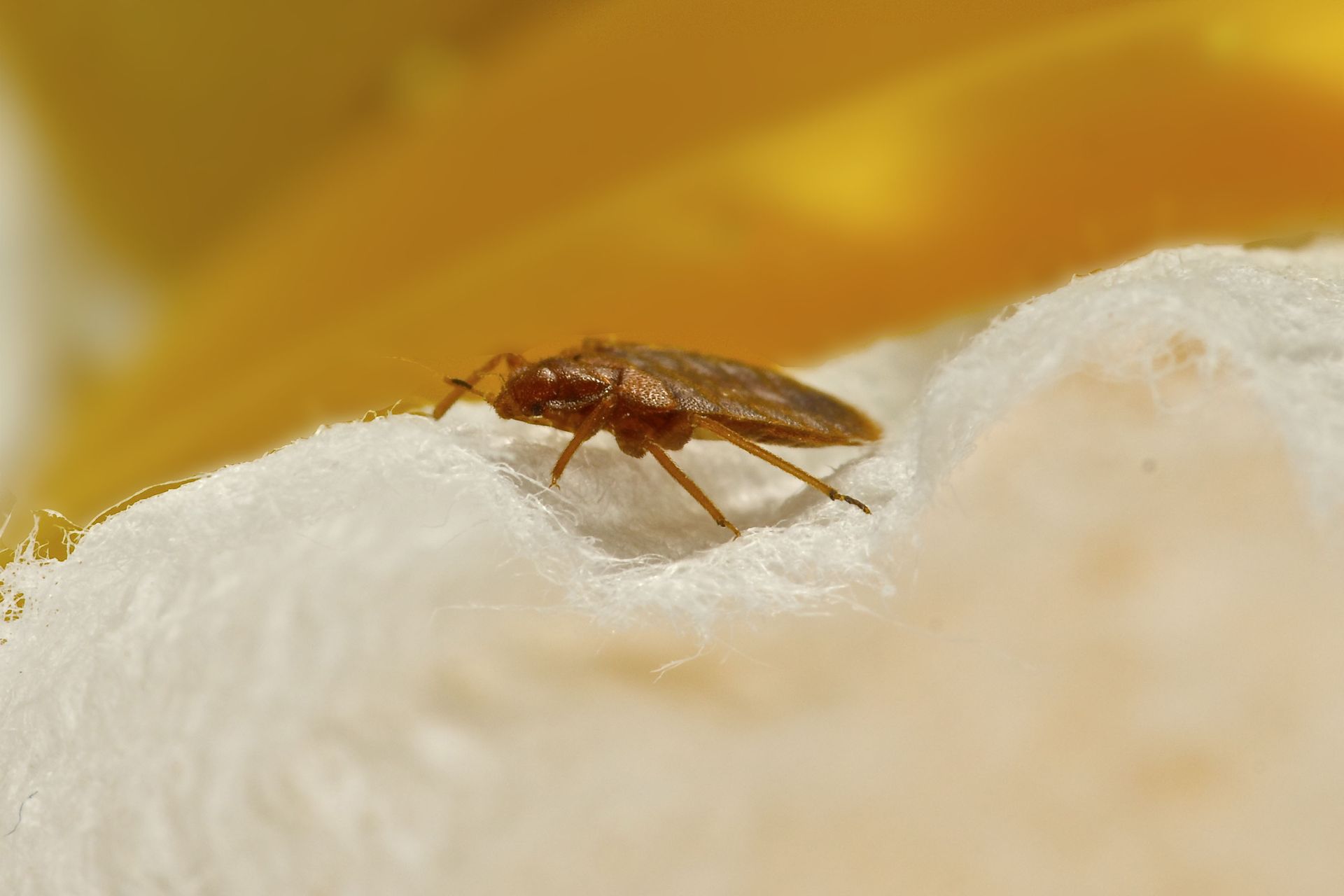
Professional pest control targets a range of pests, including rodents, insects, termites, and more. Rodents such as mice and rats are common targets due to their ability to spread disease and cause structural damage. Insects like ants, cockroaches, and bed bugs are notorious for their resilience and difficulty to eradicate. Termites pose a serious threat to buildings, causing extensive damage to wooden structures. Other pests like spiders, fleas, and wasps can also be effectively managed by professionals.
Many pest control companies now offer eco-friendly options for those concerned about environmental impact. These methods use natural or less harmful chemicals, making them safer for both the environment and your household. Examples include the use of essential oils, biological control agents, and mechanical traps. These alternatives often have fewer side effects and are becoming increasingly popular in the industry. According to Consumer Affairs, the U.S. pest control industry has grown by 2.8% in the last five years, indicating a burgeoning market for sustainable practices.
Finding a Reputable Pest Control Company
Conducting thorough research is crucial when selecting a pest control service. Online reviews and recommendations can provide valuable insights into a company's reliability and effectiveness. Reading both positive and negative reviews can help form a balanced perspective. Peer reviews are particularly helpful as they reflect real-world experiences and satisfaction levels. Gathering this information allows you to make a more informed and confident choice.
When choosing a pest control company, verifying licenses is a critical step in the decision-making process. Proper licensing confirms that the company complies with all local and national regulatory requirements. It also indicates that technicians are trained to follow industry standards and use approved, safe treatment methods. Licensed providers are more likely to stay current with evolving regulations and best practices. Taking the time to request license verification can help you avoid substandard service, safety risks, and potential legal complications.
Experience and expertise are significant factors in selecting the right pest control service. Companies with a long track record in the industry tend to be more reliable. Experienced professionals can quickly identify pests and propose effective solutions. Their expertise also extends to dealing with complex infestations and applying the latest pest control technologies. Inquiring about a company's experience can provide peace of mind that they can handle your specific pest issues.
Undergoing the Initial Consultation and Inspection Process
The initial step in hiring a pest control service is to schedule a consultation. This process involves contacting the company, discussing your pest concerns, and setting a convenient time for an inspection. Preparing for this consultation by noting key issues or areas of concern can guide the discussion. Some companies may offer virtual consultations to assess the situation before a physical visit. Proper scheduling ensures both you and the service provider are aligned on expectations and availability.
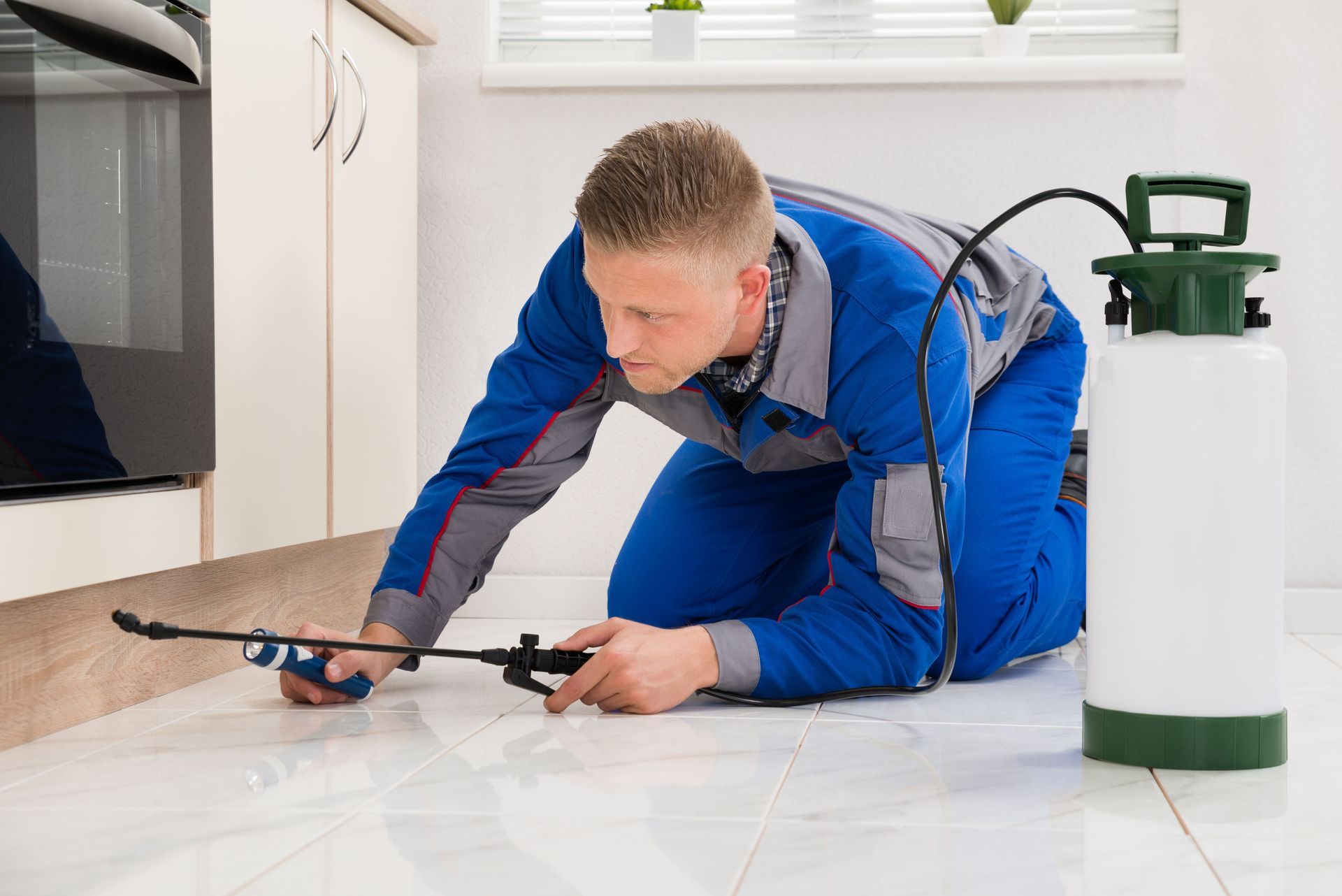
During the inspection, the pest control professional will thoroughly examine your property. This assessment identifies the types and extent of the infestation, allowing for a more targeted treatment plan. Inspectors will look for signs such as droppings, nests, or damage caused by pests. They may also assess potential entry points and environmental factors contributing to the pest problem. The information gathered during inspection is vital for developing an effective and comprehensive treatment strategy.
Identifying the source of the infestation is critical in pest control. A pest control service will use expertise to locate breeding sites, food sources, and entry points. Understanding the root cause helps prevent future infestations and informs the treatment approach. This step often involves inspecting less obvious areas, such as attics, basements, and exterior perimeters. The goal is to not just treat the symptoms but also eliminate the cause to ensure long-term success.
Implementing a Treatment Strategy
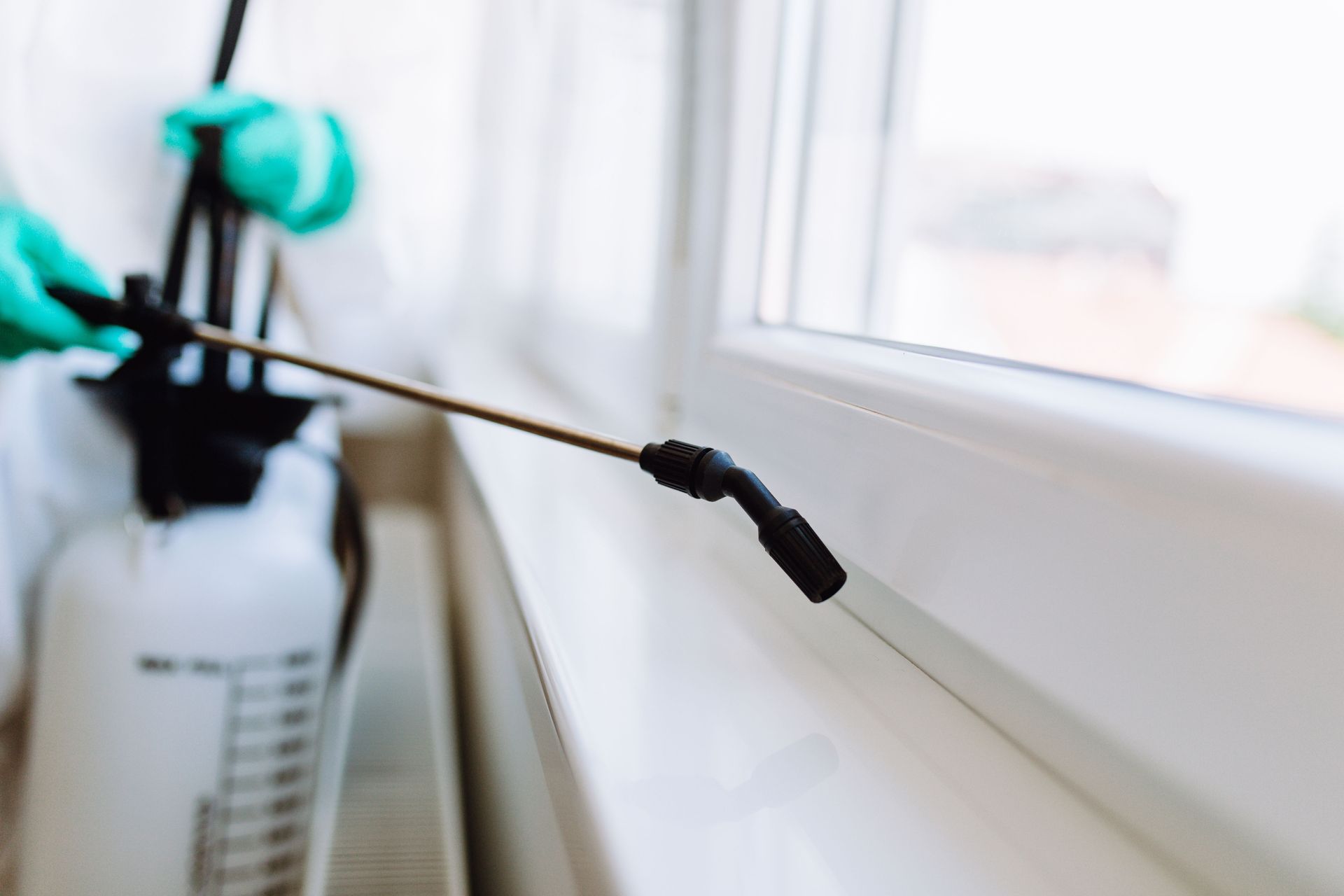
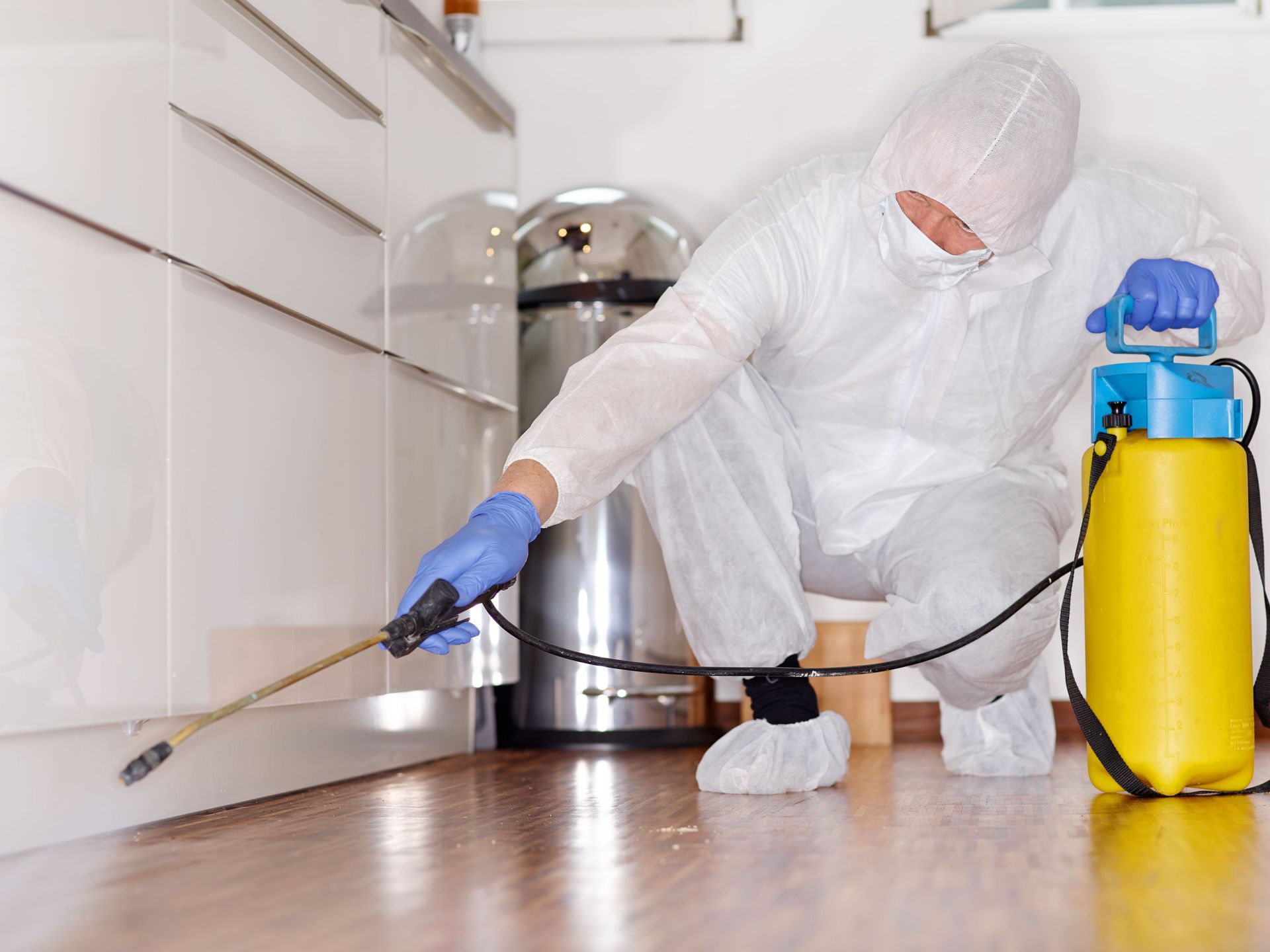
Pest control treatments can be broadly classified into chemical and non-chemical methods. Chemical treatments are often quick and effective but may involve the careful use of potentially harmful substances. Non-chemical methods, such as traps or natural repellents, are preferable for eco-conscious or sensitive environments. Companies may use an integrated pest management approach that combines multiple strategies for effective control. Understanding the types of treatments available helps you choose what's best for your situation.
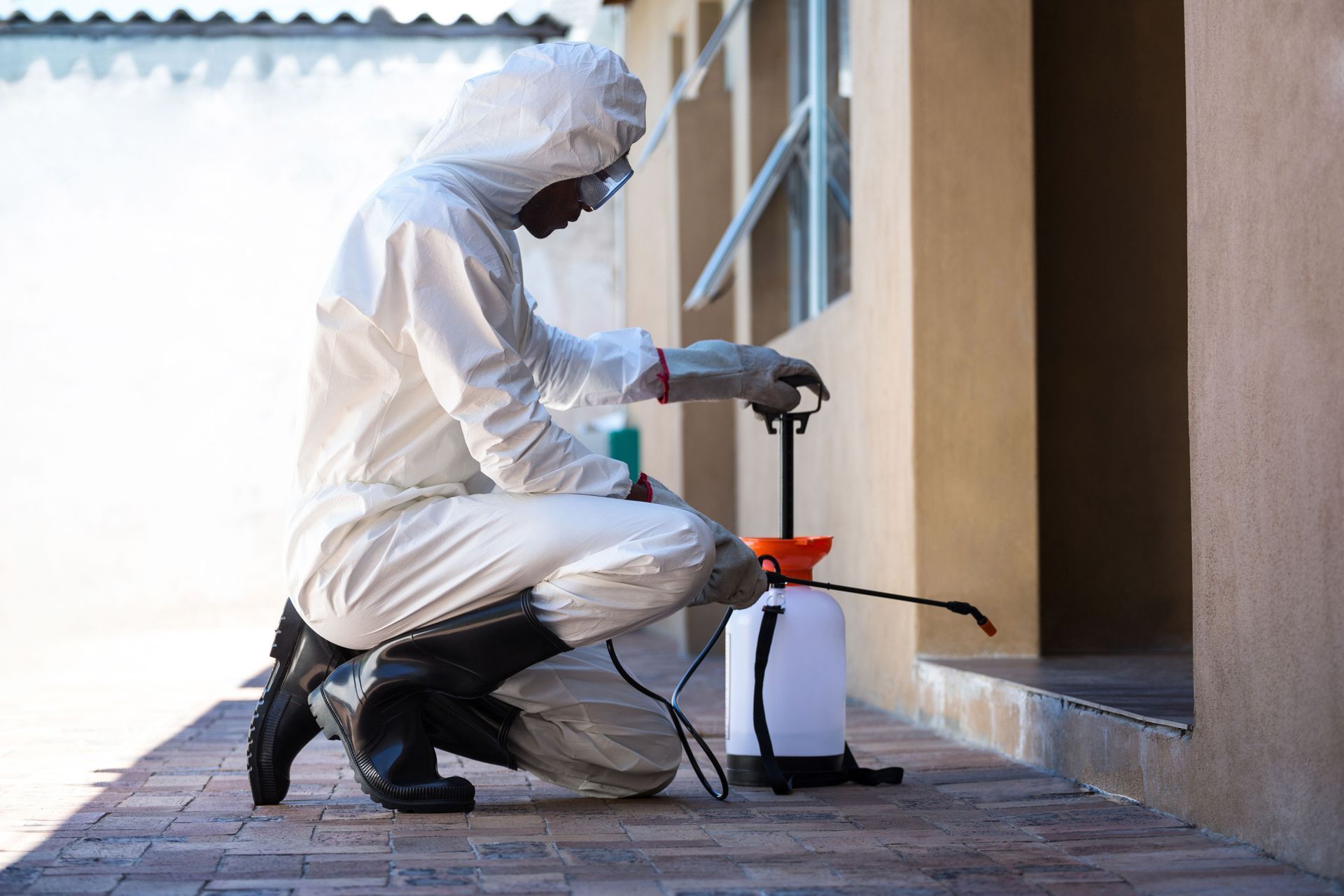
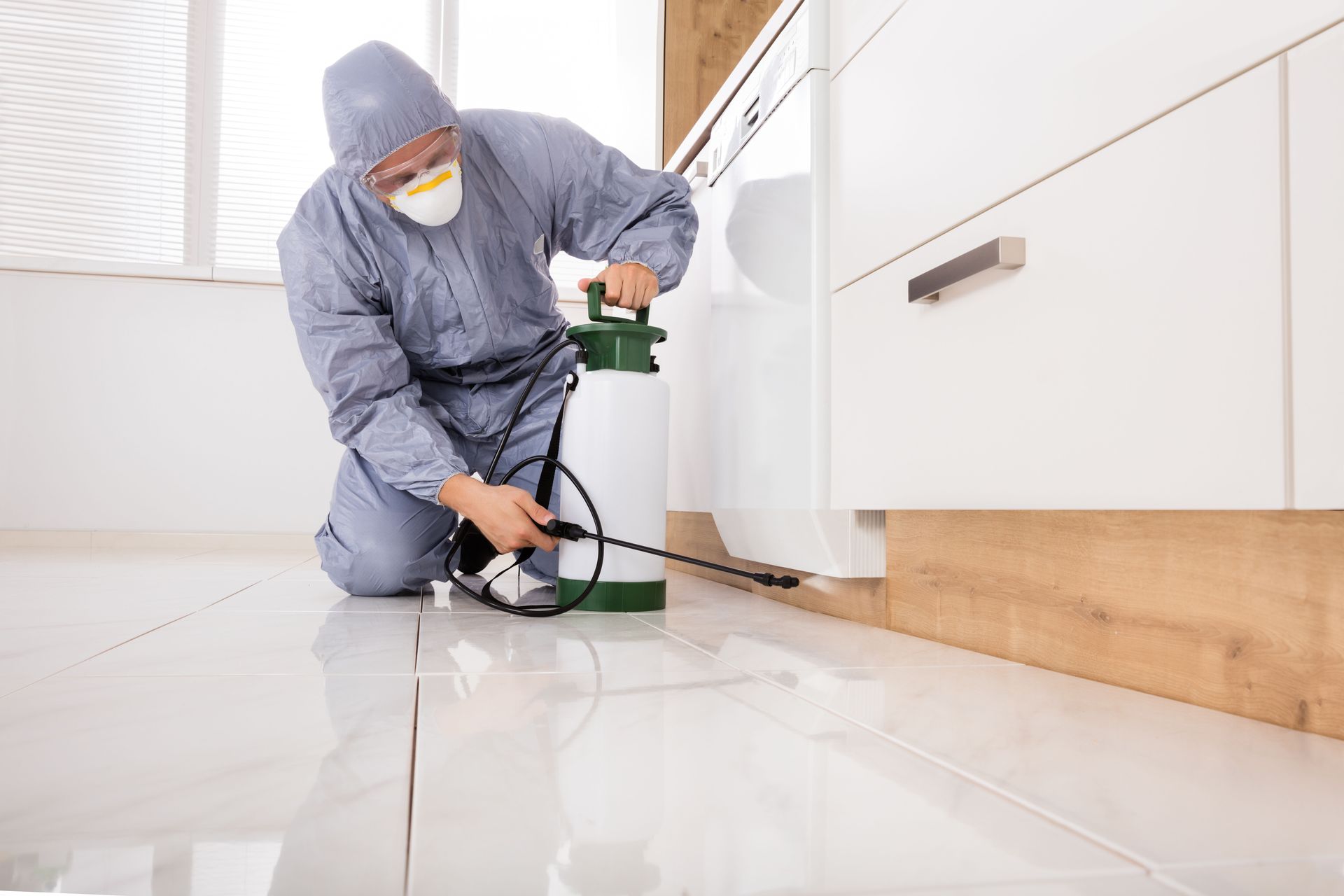
Ensuring safety is paramount during and after the implementation of pest control treatments. Professionals follow strict safety protocols to protect inhabitants and pets from exposure to harmful chemicals. This includes ensuring that chemicals are applied in targeted areas and providing clear guidelines for safe re-entry. Protective measures are also taken to prevent environmental contamination. Knowing and following these protocols contributes to the overall safety of the treatment process.
The timeline for treatment effectiveness can vary depending on the methods used and the severity of the infestation. Some treatments may show immediate results, while others might require weeks to take full effect. It's important to set realistic expectations and understand that persistent infestations might take longer to resolve. Discussing timelines with your service provider can help manage expectations and plan for potential follow-up treatments. Proper communication ensures you remain informed and prepared throughout the process.
Receiving Post-Treatment Evaluation and Maintenance
Post-treatment inspection evaluates the effectiveness of applied solutions and confirms the eradication of pests. This step involves re-checking treated areas and monitoring for any signs of pest activity. Successful eradication should result in clear, observable changes in the affected areas. The inspector will document findings and discuss any further recommendations for your peace of mind.
Maintaining a pest-free environment requires ongoing vigilance and proactive measures. Simple steps, such as sealing entry points, maintaining cleanliness, and regular monitoring, help prevent future infestations. Pest control providers often offer advice tailored to your specific situation and environment. Adopting these maintenance measures enhances the longevity and effectiveness of professional treatments.
Offering feedback about the service received is a valuable aspect of the pest control process. Honest feedback helps the service provider enhance their offerings and address any areas of improvement. Encouraging open dialogue creates trust and signals your satisfaction or concerns. Many companies actively seek customer feedback through surveys or follow-up calls, underscoring their dedication to quality service.
Hiring a pest control service involves careful consideration of various factors, from understanding service options and costs to ensuring the safety and effectiveness of treatments. A thorough understanding of what to expect when engaging professional pest control services empowers you to make informed decisions. With knowledge of the pest management process, it's possible to handle pest issues confidently, maintaining a safe and healthy environment. If you need an expert pest management service, get in touch with Crawford's Pest Control today.