December 29, 2025
Termites can cause significant damage to structures if not addressed promptly. Understanding how professional pest control can effectively stop these pests before they spread is crucial for homeowners and property managers. This article delves into the methods and strategies used by professionals to control and prevent termite infestations.
Understanding Termite Behavior and Damage
Types of Termites
Termites are broadly classified into three major types: subterranean, drywood, and dampwood termites. Subterranean termites are the most common and notorious for causing extensive damage as they thrive in moist environments and often create colonies in soil. They construct mud tubes to transport themselves from the nest to a food source, often invading homes from the ground. Drywood termites, conversely, do not require contact with soil and can build colonies inside the wood they consume. Lastly, dampwood termites prefer to attack wood with high moisture content, making them more common in humid and damp environments.
Natural Habitat and Lifecycle
Termites thrive in warm climate zones where conditions enable them to live and multiply all year round. The lifecycle of a termite begins with a king and queen forming a colony after a nuptial flight, following which they produce larvae that develop into worker termites, soldiers, or additional reproductives. Reproductive termites, also known as swarmers, leave the colony to form new ones. This lifecycle is crucial for understanding the potential for rapid population growth and infestation escalation. The rate at which a colony can grow underscores the necessity for timely intervention.
Signs of Termite Infestation
Several telltale signs point to a potential termite infestation, helping homeowners take early action. These signs include mud tubes along exterior walls, hollow-sounding wood, and discarded wings from swarmers near windowsills or light sources. Termites tend to remain hidden, making visual identification challenging; this is why paying attention to these signs is critical. Moreover, wood damage may not be visible until extensive destruction has already occurred. Therefore, professional pest inspections are essential in identifying and quantifying termite presence.
Impact of Termite Damage on Structures
Termite damage often remains undetected until the integrity of a structure is severely compromised. These insects consume cellulose found in wood, leading to weakened structures that can result in severe safety hazards. Walls, floors, and support beams may be compromised, leading to costly repairs and structural rehabilitation. Termites cause billions of dollars' worth of damage annually, with homeowners spending significant resources on repairs. Considering the gravity of potential termite damage underscores the value of professional pest control.
The Economic Burden of Termite Infestations
The economic implications of termite infestations are staggering, with an estimated 600,000 homes impacted yearly in the United States alone, according to Consumer Affairs. Repairs are not only expensive but also disruptive and time-consuming, further exacerbating the financial burden on homeowners. Insurance policies typically do not cover termite damage, leaving homeowners to foot the bill for such an event. Investing in preventative pest control services can significantly reduce the risk and potential repair costs in the long run. Professional pest control thus becomes an essential economic safeguard.
Initial Assessment by Professional Pest Controllers
Importance of Early Detection
Early detection of termite infestations can prevent extensive damage and reduce repair costs. Professional pest controllers possess the expertise and tools necessary to identify the early signs of infestation that homeowners might overlook. Detecting the first stages of a termite problem allows for immediate action to preserve structural integrity. The efficiency of pest control measures often hinges on the timing of intervention, making early detection paramount. Without prompt identification, termite colonies can spread rapidly, exacerbating damage.
Comprehensive Site Inspection Techniques
Professional pest inspectors conduct thorough evaluations using advanced techniques and equipment. They inspect exterior and interior parts of the building, focusing on vulnerable areas such as foundations, wooden structures, and attic spaces. Thermal imaging and moisture meters are commonly used to uncover hidden termite activity. Detailed inspections ensure that no affected area is overlooked, which is vital for developing an effective treatment plan. This comprehensive approach ensures thorough assessment and accurate identification of termite presence.
Identifying the Severity of Infestation
After identifying a termite presence, determining the severity of the infestation is crucial for treatment planning. Pest controllers evaluate factors such as colony size, locations of activity, and the potential for further spread. They assess structural damage to gauge the potential for additional damage if untreated. Accurate assessment of infestation severity assists in tailoring effective treatment strategies. The conclusions drawn from these assessments inform the selection of appropriate remedial actions.
Assessing Vulnerable Areas in Homes
Vulnerable areas in homes are methodically identified by pest control professionals during inspections. Key areas include basements, crawl spaces, attics, and any wooden components exposed to moisture or soil contact. Identification of these areas helps professionals focus their treatment strategies for maximum effectiveness. Proactive assessments of vulnerable areas allow for preventive measures that enhance home resilience to future infestations. Routine assessments reduce risks associated with overlooked vulnerabilities.
Consultation and Reporting Procedures
Once the inspection is complete, pest professionals provide homeowners with detailed reports and consultations. These reports outline the findings of the inspection, including the extent and severity of any infestations. Recommendations for treatment and prevention are discussed, allowing homeowners to make informed decisions. Transparent communication ensures that clients understand the process, expected outcomes, and associated costs. This consultation process solidifies the partnership between homeowners and pest control professionals, fostering effective collaboration.
Implementing Treatment Strategies
Chemical Treatment Options
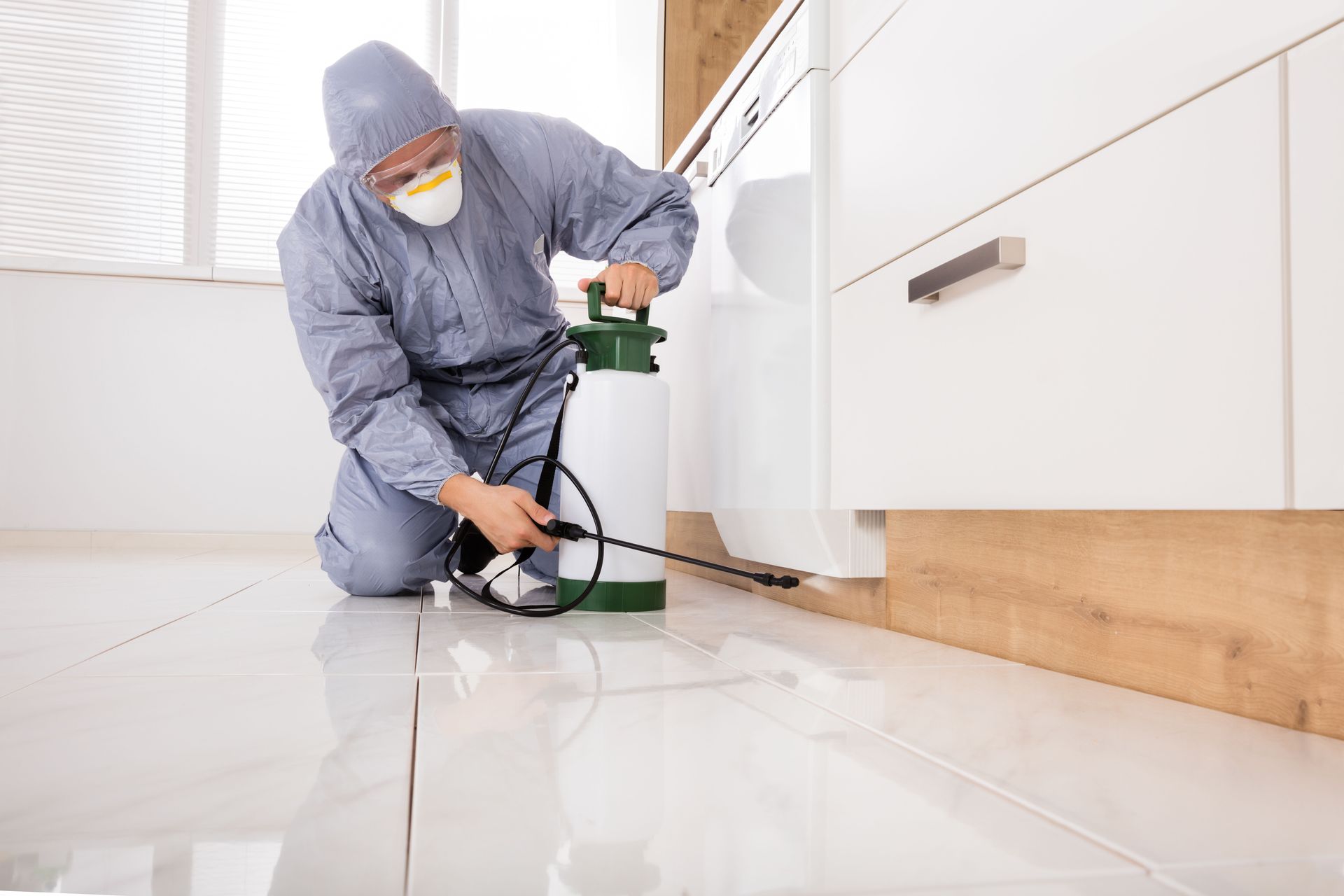
One of the most common termite control methods involves the use of chemicals, commonly termed as termiticides. Termiticides are applied to the soil, around foundations, and directly to infestations to create chemical barriers that eliminate existing termites and prevent new ones from establishing. Professionals select chemicals based on the type of termites and infestation severity, ensuring maximum efficacy and safety. Liquid soil-applied termiticides are popular for creating a protective barrier around structures. The correct application of termiticides is integral to reducing termite presence and preventing future incursions.
Non-Chemical Treatment Methods
Non-chemical methods provide green alternatives for termite control, ideal for environmentally conscious homeowners. Physical barriers, such as metal shields and sand barriers, can effectively prevent termite entry into structures. Biological agents, like nematodes, also offer promising results by naturally controlling termite populations. These alternative methods help reduce reliance on chemicals while maintaining control effectiveness. Professionals often integrate non-chemical treatments with traditional methods for a holistic approach.
Customized Plans for Different Infestation Levels
Professional pest controllers understand that no two infestations are alike; thus, customized treatment plans are essential. They evaluate each case individually to determine the required intensity and type of treatment. A minor infestation might only require localized treatment, whereas severe infestations necessitate a more aggressive strategy. Custom plans ensure efficient use of resources, minimizing disruption and maximizing results. Tailored interventions help effectively address specific challenges posed by unique infestation scenarios.
Safety Measures and Environmental Considerations
The safety of both humans and the environment is paramount in pest control practices. Professionals employ safe application techniques to minimize exposure risk to occupants and pets. Environmental considerations guide the selection and use of pest control products, ensuring compliance with environmental regulations. Sustainable pest control practices prioritize minimal ecological impact without compromising efficacy. Clients are educated on safety measures, promoting a broader understanding of responsible practices in pest management.
In-Depth Examination of Termiticide Application
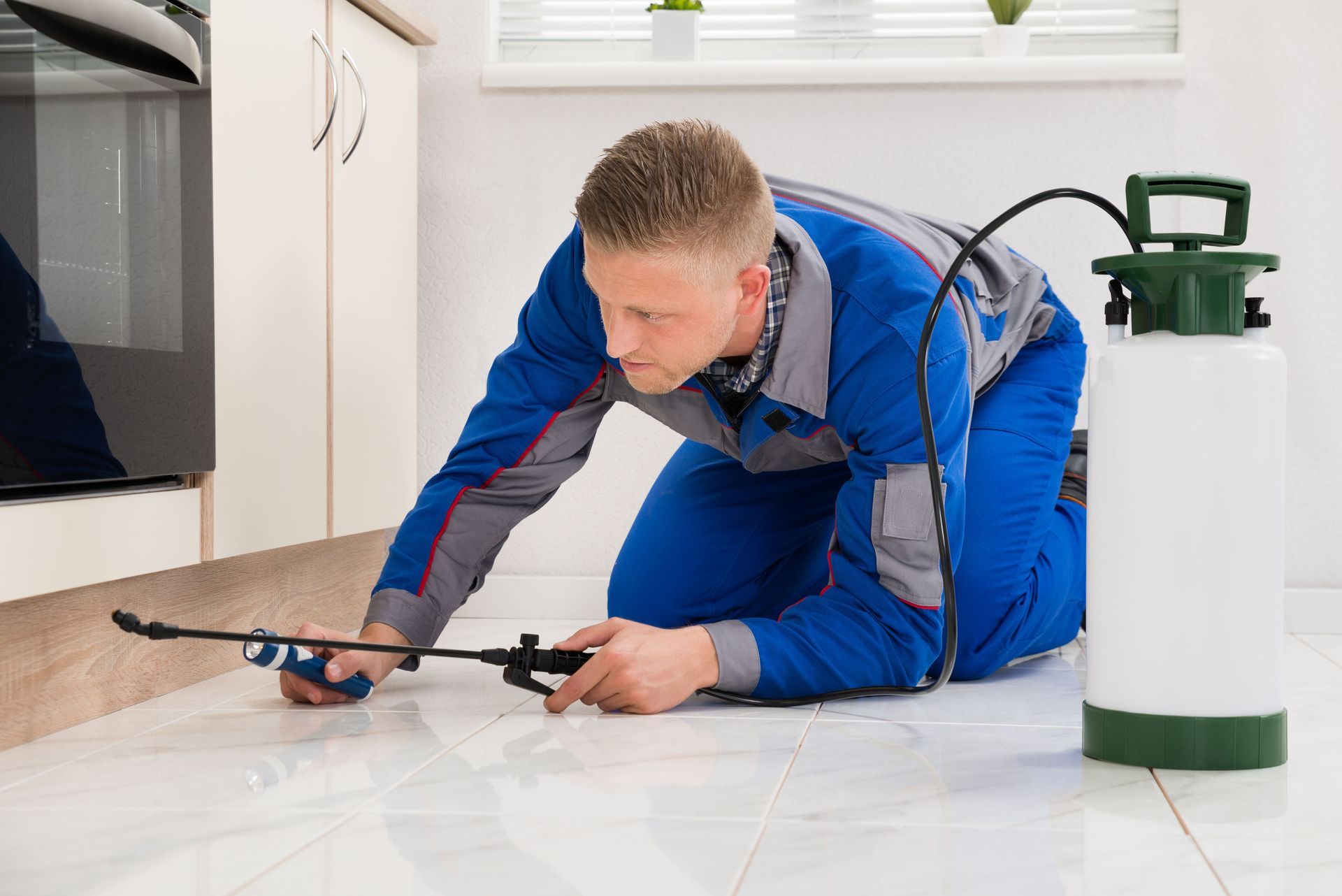
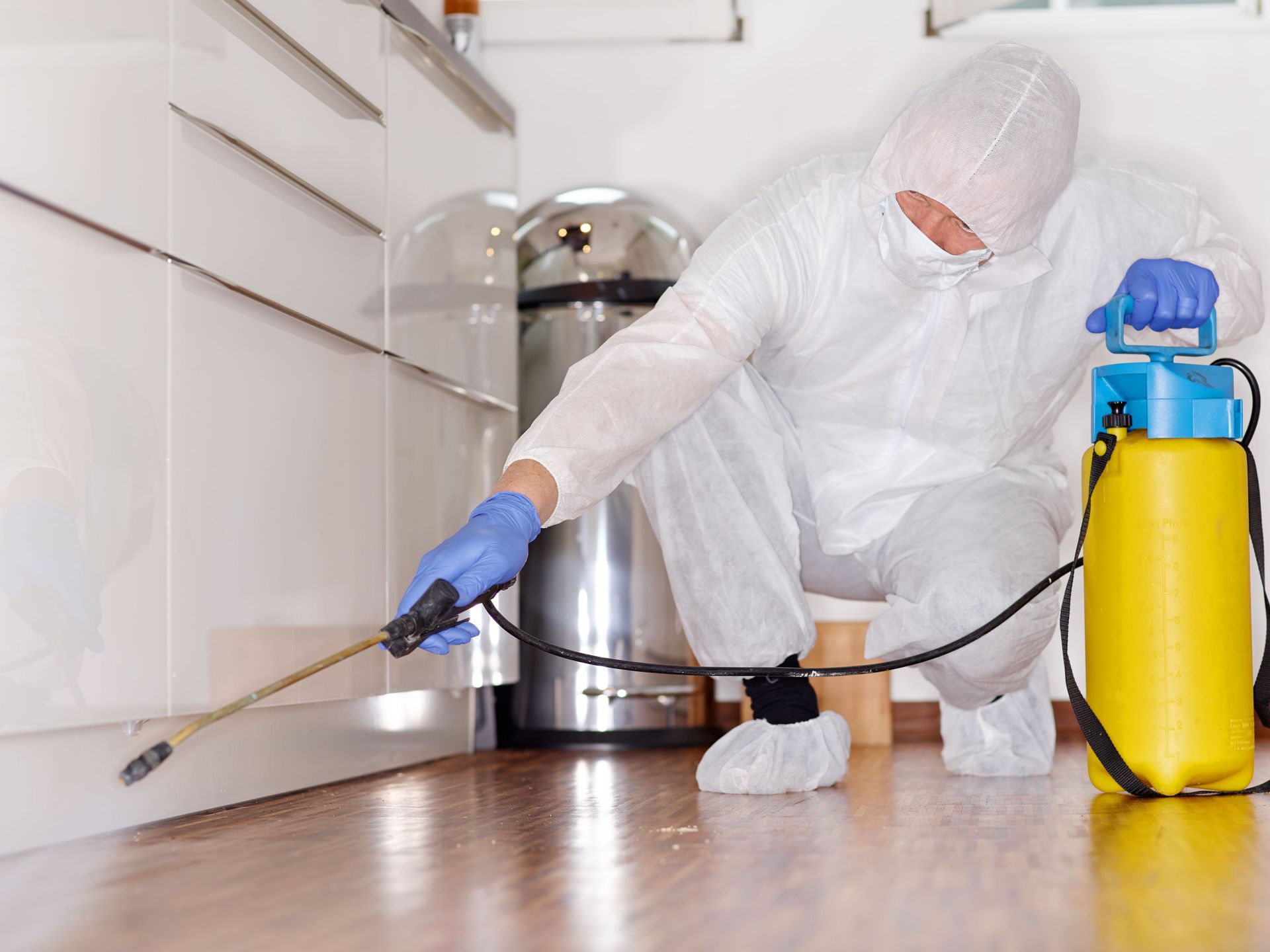
The application of termiticides requires precision and expert knowledge to ensure effectiveness. Professionals conduct in-depth examinations and strategic applications, targeting active infestations and potential entry points. They use specialized equipment to inject chemicals into soil and wood, covering a wide treatment area while safeguarding non-target sites. Conducting follow-up evaluations is critical to assess the lasting impact and reapply treatment as needed. This meticulous approach ensures a sustained reduction in termite presence.
Professional pest control plays a vital role in managing termite populations and preventing their spread. By leveraging advanced techniques, experts can mitigate the risk of damage significantly. Homeowners are encouraged to utilize these services to protect their properties and maintain peace of mind. If you're looking for pest control services, contact Crawford's Pest Control today.