July 30, 2026
Pest problems are a common household nuisance, often requiring professional intervention to manage effectively. Local pest control companies are equipped with the expertise and tools necessary to tackle a variety of these issues. In this article, we explore some of the most common pest problems and how local pest control companies can help resolve them efficiently.
1. Dealing with Ant Infestations
Identification of Ant Species
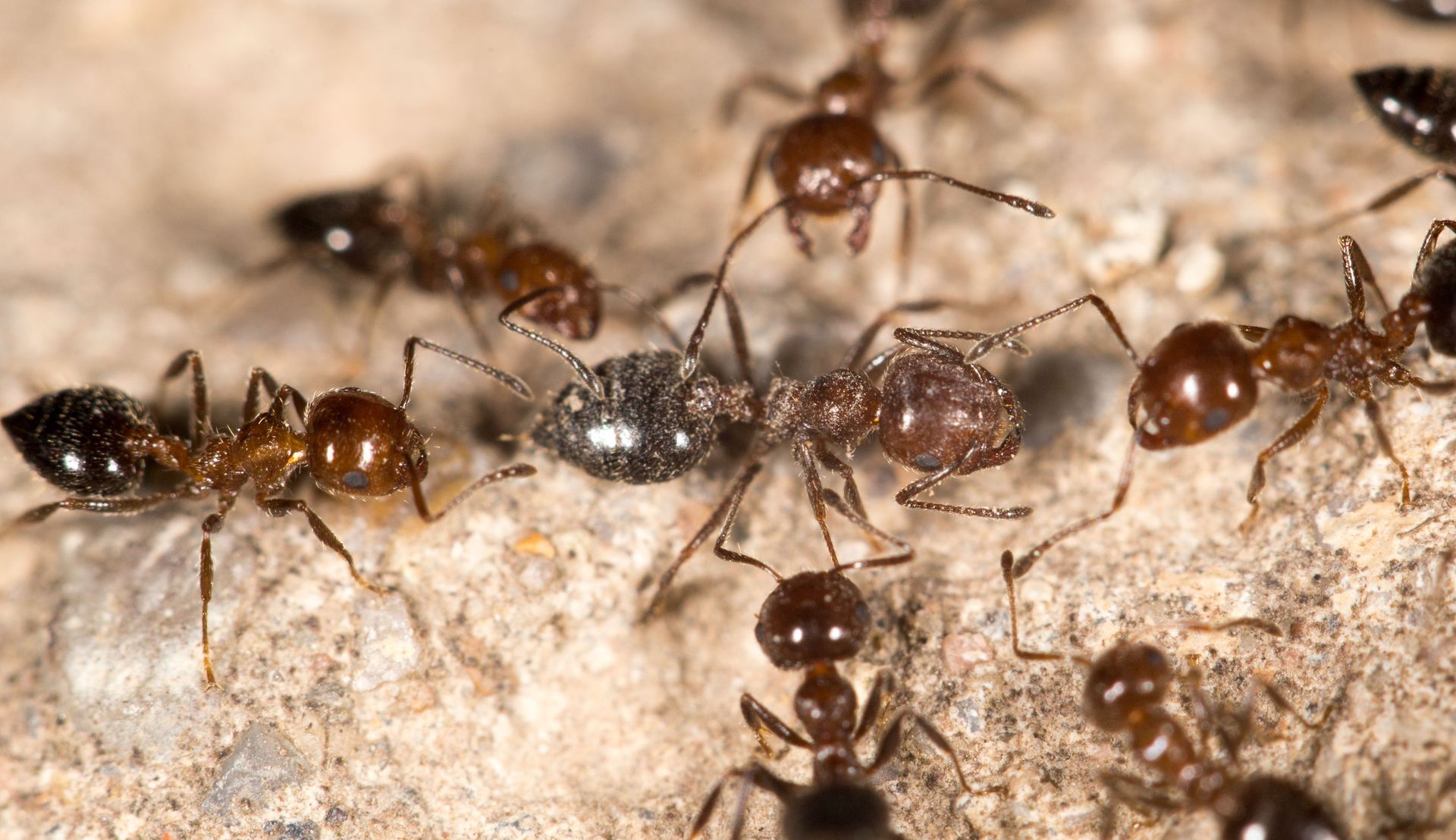
Identifying the specific ant species invading your home is crucial to implementing effective control measures. Some species, like carpenter ants, can cause structural damage, while others are simply a nuisance. Local pest control professionals possess the knowledge to differentiate between species and determine the best treatment approach. This identification process often involves inspecting trails, nests, and the ant's physical characteristics, such as color and size. Understanding the biology and behavior of the ant species helps in devising a targeted treatment plan.
Preventive Measures for Ant Control
Prevention is a crucial component of managing ant infestations and involves reducing the factors that attract ants indoors. Essential steps include maintaining a clean environment, particularly in the kitchen where ants can find easy access to food. Crumbs and spilled liquids should be promptly cleaned, and food should be stored in airtight containers to eliminate food sources. Additionally, fixing leaks and reducing moisture can discourage ants seeking water indoors. Professionals often conduct a comprehensive inspection to identify and address these potential attractants.
Effective Treatment Methods
When an ant infestation is present, effective treatment methods are vital to eliminate the problem. Local pest control companies utilize a variety of tactics depending on the specific ant species involved. Baiting is a popular method, where poisoned bait is strategically placed for worker ants to carry back to the colony, eventually eliminating the queen and the entire colony. Pesticide sprays may be used for immediate reduction of visible ant populations, although this is usually a supplementary measure. Professionals understand the importance of tailoring the treatment to the species and infestation size.
Long-Term Ant Management Solutions
Establishing long-term ant management solutions is crucial to ensuring that ants do not return once they have been eliminated. Local pest control companies advocate for continuous monitoring and maintenance to quickly detect and address any signs of re-infestation. Homeowners are advised to keep the exterior and interior of their homes tidy, store food properly, and maintain regular cleaning schedules. Implementing these practices reduces the risk of attracting ants and allows for early detection should ants return.
Case Studies on Ant Infestation Resolutions
Case studies offer valuable insights into how local pest control companies successfully resolve ant infestations. One such case involved a residential property experiencing persistent carpenter ant problems. The homeowners sought professional assistance after DIY solutions failed to address the root cause. Upon inspection, the pest control team identified decaying wood near the house as the primary harboring site for the ants. They successfully treated the infestation with a combination of targeted baits and nest treatments and recommended repairs to eliminate wood moisture issues.
2. Managing Termite Problems
Understanding Termite Behavior
Understanding termite behavior is fundamental to addressing problems associated with them. Termites operate in colonies, often unnoticed until significant damage occurs. They feed on cellulose-containing materials, such as wood, and are capable of inflicting structural damage to properties. Local pest control companies possess expertise in identifying the presence of termites by observing mud tubes, hollow-sounding wood, and discarded wings. The capability to accurately pinpoint termite species and behavior assists in formulating effective eradication strategies.
Early Detection Techniques
Early detection of termites is crucial to prevent extensive damage and costly repair bills. Local pest control companies employ sophisticated techniques to identify termites before visible damage occurs. Methods such as thermal imaging and moisture meters enable professionals to detect termite activity hidden within walls and other inaccessible areas. These non-invasive technologies are crucial for providing accurate assessments without disrupting the home’s integrity. Early detection tools enhance the precision of treatment and allow for timely interventions.
Treatment Options for Termite Control
Treatment options for termite control have evolved considerably, providing homeowners with more effective and environmentally sensitive solutions. Traditional methods, such as liquid soil treatments, remain popular. These involve applying termiticides to the soil surrounding a structure, creating a chemical barrier that termites cannot cross. Advanced formulations of termiticides enhance efficacy while minimizing environmental impact. Pest control companies skillfully apply these treatments to maximize protection and ensure comprehensive area coverage.
Post-Treatment Monitoring and Maintenance
Post-treatment monitoring is a vital phase in termite management, ensuring the long-term success of initial eradication efforts. Pest control companies conduct follow-up visits as part of treatment packages, checking for signs of re-infestation and verifying the integrity of applied treatments. Monitoring involves re-assessing termite bait stations, inspecting treated areas, and adjusting treatments as needed to maintain effectiveness. This process reassures homeowners that their homes remain protected, providing peace of mind.
Success Stories: Termite Damage Prevention
Success stories in termite damage prevention highlight the effectiveness of professional pest control strategies. In one case, a historical building faced significant threats from subterranean termites, risking damage to irreplaceable structural elements. The pest control company implemented an integrated approach, combining liquid treatments with baiting systems to eradicate the termite population. Historical preservation experts collaborated with pest control professionals to adapt the treatment to the building's unique requirements. This meticulous application preserved the building’s integrity, exemplifying the success of dedicated termite management.
3. Rodent and Bed Bug Control Strategies
Assessing Rodent Infestation Levels
Assessing the severity of a rodent infestation is the initial step in developing an effective control strategy. Local pest control companies use a variety of methods to evaluate infestation levels, beginning with visual inspections for common signs such as droppings, gnaw marks, and nesting materials. Additionally, infrared cameras and other advanced detection equipment may be deployed to identify rodent activity in hidden or inaccessible areas. This thorough assessment enables professionals to determine the scope of the infestation and plan appropriate interventions.
Sealing Entry Points
Sealing entry points is a critical preventive measure in rodent control, addressing one of the primary ways rodents gain access to structures. Local pest control companies conduct thorough inspections to identify gaps, cracks, and openings in a building's exterior. Common entry points include holes around utility lines, unscreened vents, and poorly sealed doors and windows. Effectively sealing these openings prevents rodents from entering the home, significantly reducing the likelihood of future infestations.
Safe and Humane Trapping Techniques
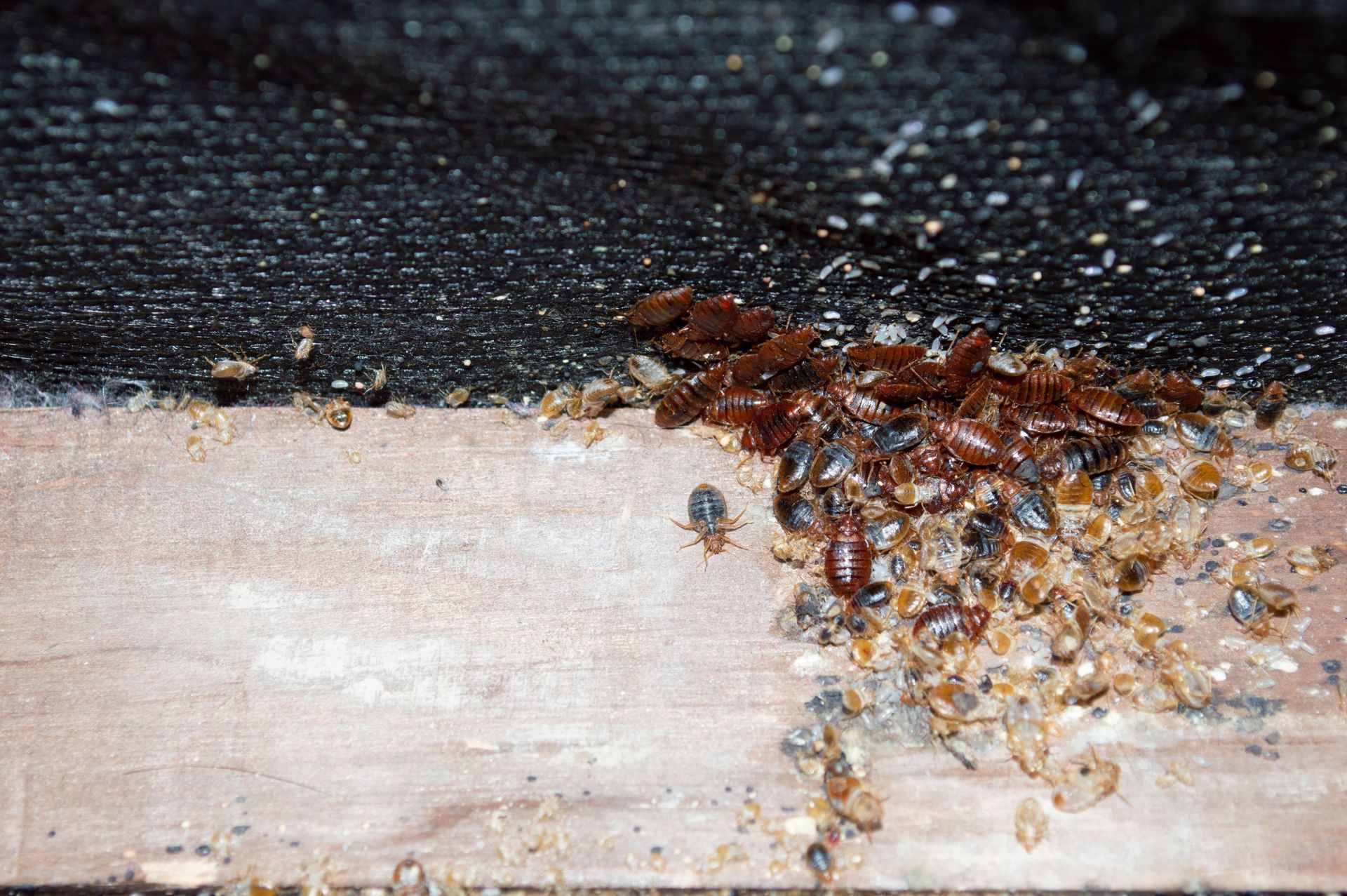
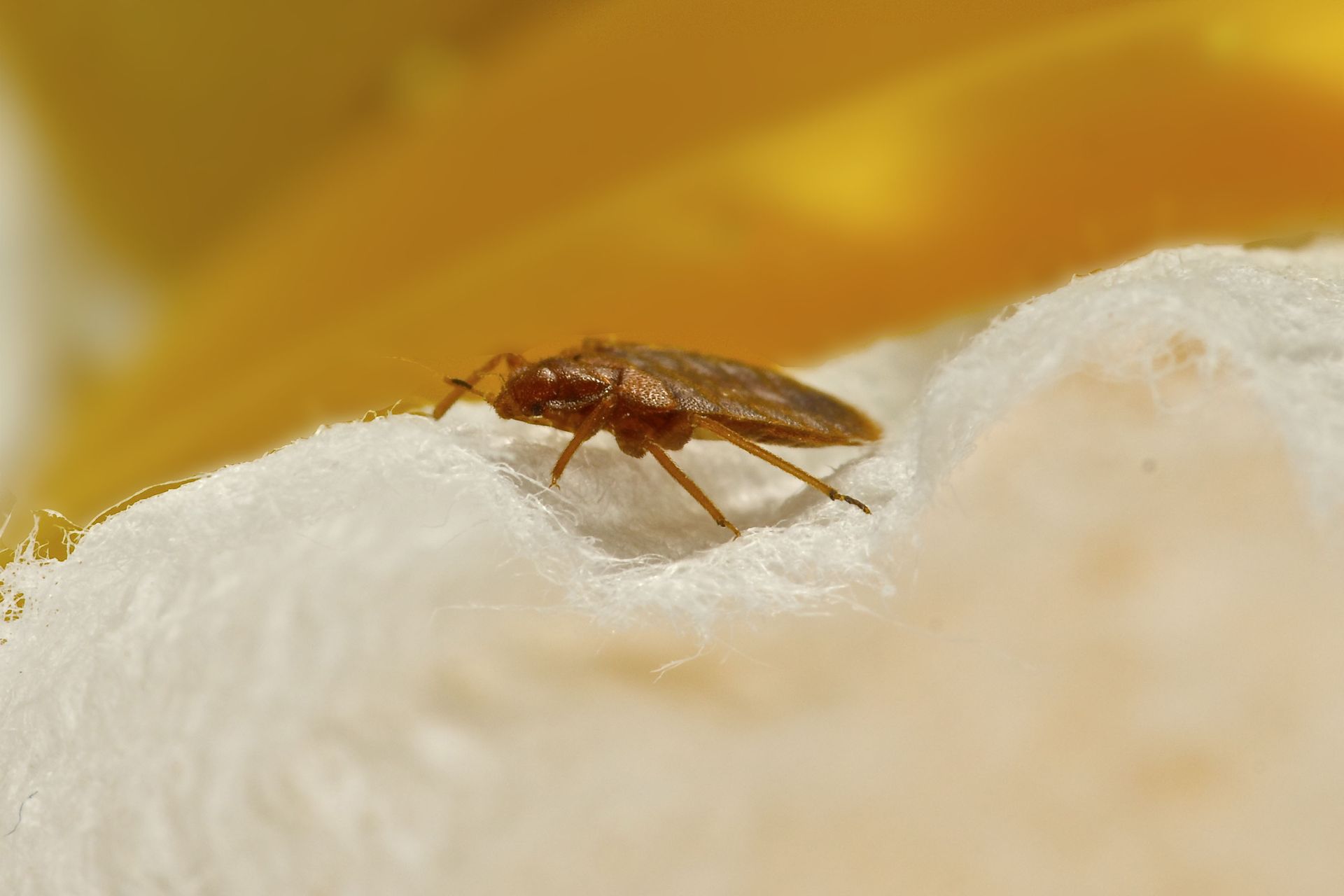
Safe and humane trapping techniques are integral to effective rodent control, addressing both ethical considerations and efficacy. Local pest control companies employ various traps designed to capture rodents without causing unnecessary harm. Snap traps, electronic traps, and cage traps are commonly used options, chosen based on the specific situation and ethical considerations. Safety measures are integral to trap placement, ensuring traps are deployed strategically to maximize effectiveness while minimizing risk to non-target animals and humans. Furthermore, technicians are trained to identify elusive household pests, including fully grown bed bugs, which, according to EPA, typically measure between 5 and 7 millimeters long—roughly the dimensions of an apple seed.
Tackling persistent pest infestations requires specialized knowledge, proper equipment, and a strategic approach. Whether you are dealing with structural threats from carpenter ants and termites or sanitary risks posed by rodents and bed bugs, professional technicians can diagnose the root cause and implement long-term solutions. By combining advanced early detection tools, humane trapping, and routine post-treatment monitoring, expert exterminators restore safety and comfort to your living spaces. Investing in proactive inspection and timely maintenance ultimately safeguards your property from severe structural damage and protects your family's health for years to come.
Take control of your home today by reaching out to Crawford's Pest Control to request a thorough property inspection and personalized treatment plan!